
 Procedures

Online mailbox
Receiving feedback and proposals from organizations and individuals.

On the morning of May 18, in Hanoi, the Politburo and the Secretariat organized a national in-person and online conference to thoroughly implement Resolution No. 66-NQ/TW of the 13th Party Central Committee on innovating law-making and enforcement to meet the requirements of national development in the new era and Resolution No. 68-NQ/TW on private economic development. Comrade To Lam, General Secretary attended and gave a speech to direct the conference.
Attending the conference at Dien Hong Hall were comrades: Luong Cuong, Politburo member, President; Pham Minh Chinh, Politburo member, Prime Minister; Tran Thanh Man, Politburo member, Chairman of the National Assembly; Tran Cam Tu, Politburo member, Standing member of the Secretariat.
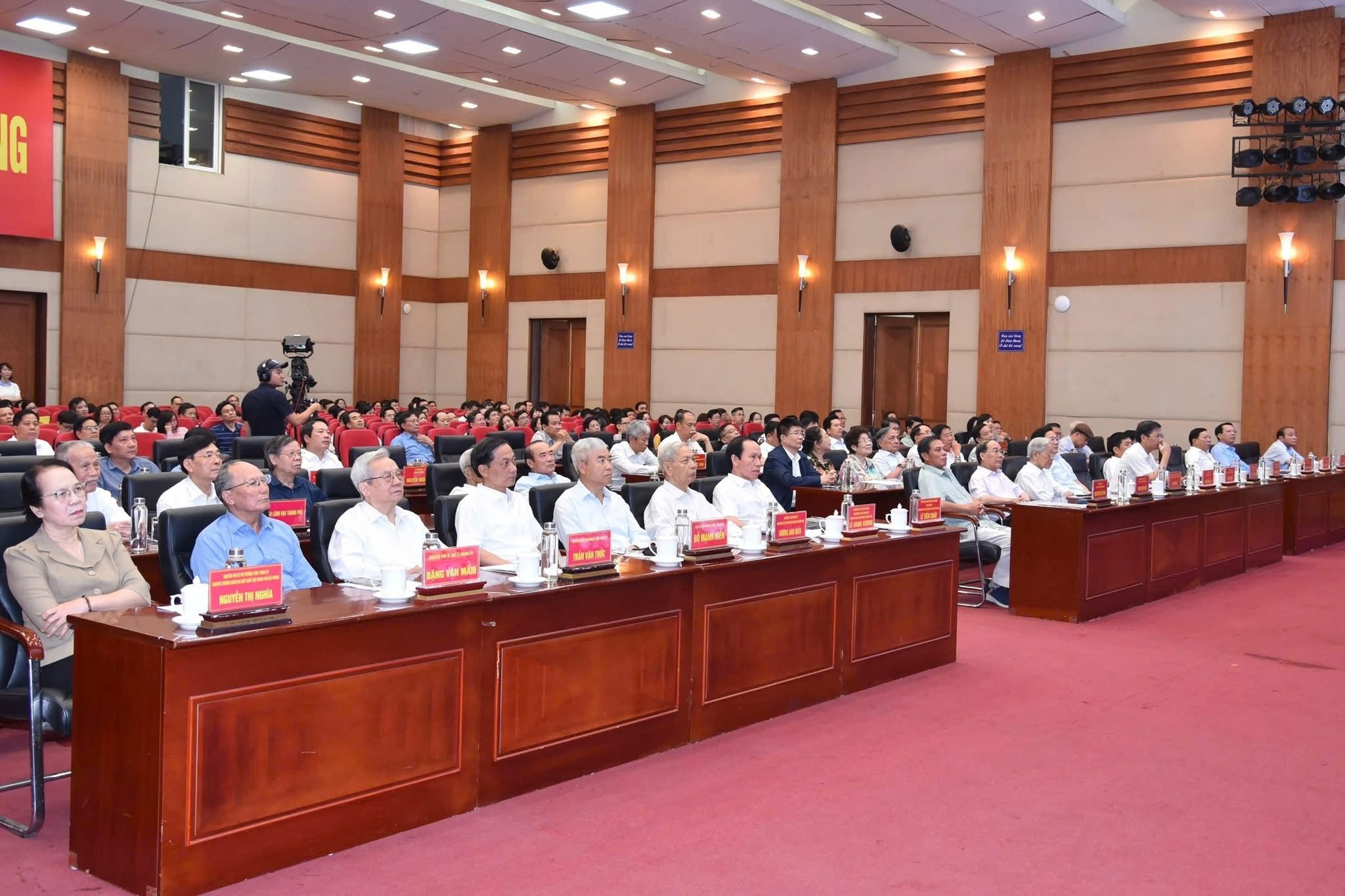
At the Hai Phong city bridge, there were comrades: Le Tien Chau, Member of the Party Central Committee, Secretary of the City Party Committee, Head of the Hai Phong City National Assembly Delegation; Nguyen Van Tung, Deputy Secretary of the City Party Committee, Chairman of the City People's Committee; Do Manh Hien, Permanent Deputy Secretary of the City Party Committee; Comrades of the Standing Committee of the City Party Committee; City Party Committee member; leaders of boards, departments, branches, political and social organizations; Business representatives in the city. Attending the Conference, Hai Phong city had a total of 222 venues with 28,419 delegates.
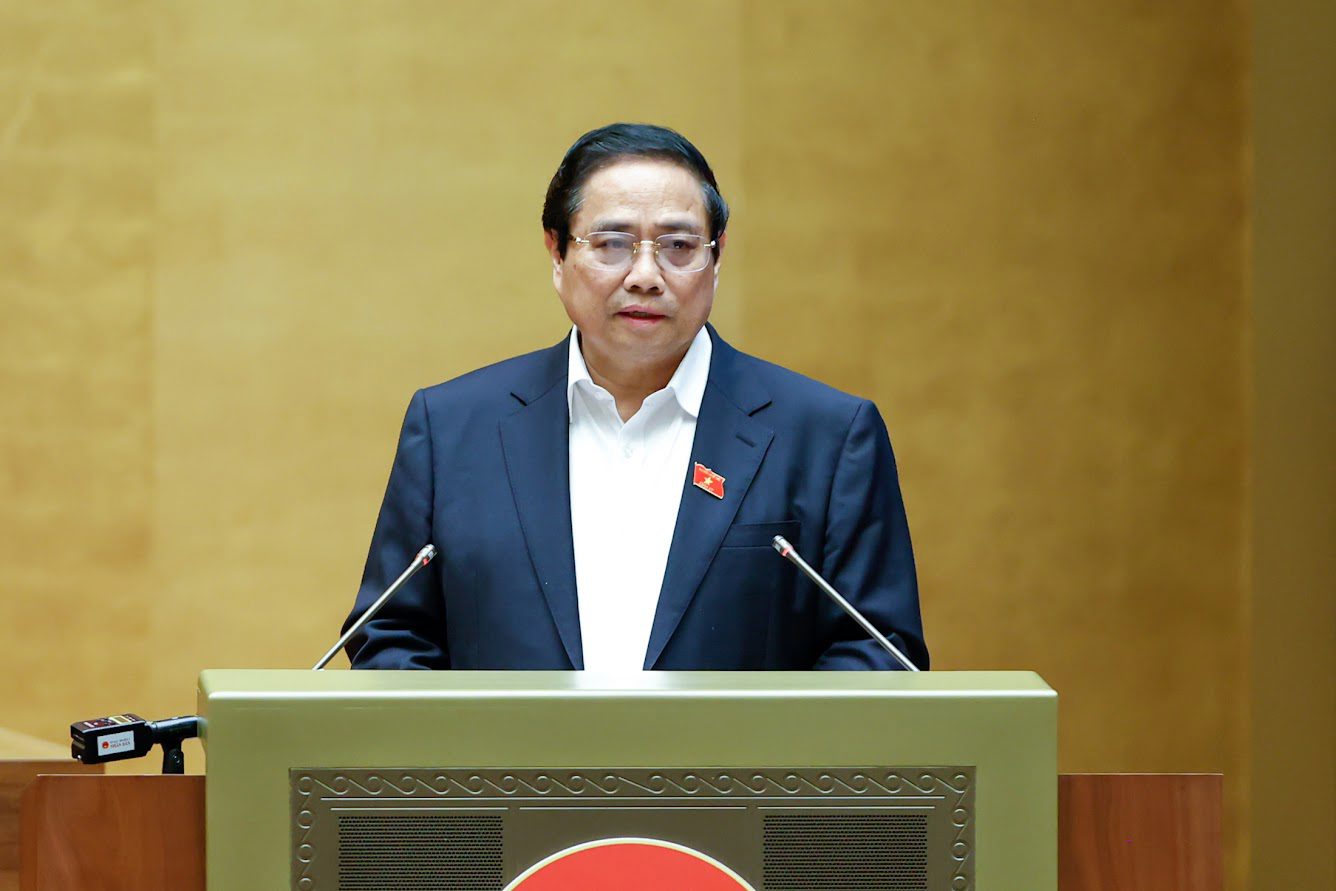
At the Conference, Prime Minister Pham Minh Chinh introduced the topic "The core content of Resolution No. 68-NQ/TW, dated May 4, 2025 of the Politburo on private economic development and the plan to implement Resolution No. 68-NQ/TW".
Resolution No. 68 defines the goal that by 2030, the private economy will be the most important driving force of the national economy; is a pioneering force in the development of science and technology, innovation and digital transformation, contributing to successfully implementing the goals of Resolution No. 57-NQ/TW, dated December 22, 2024 of the Politburo and other policies and guidelines of the Party.
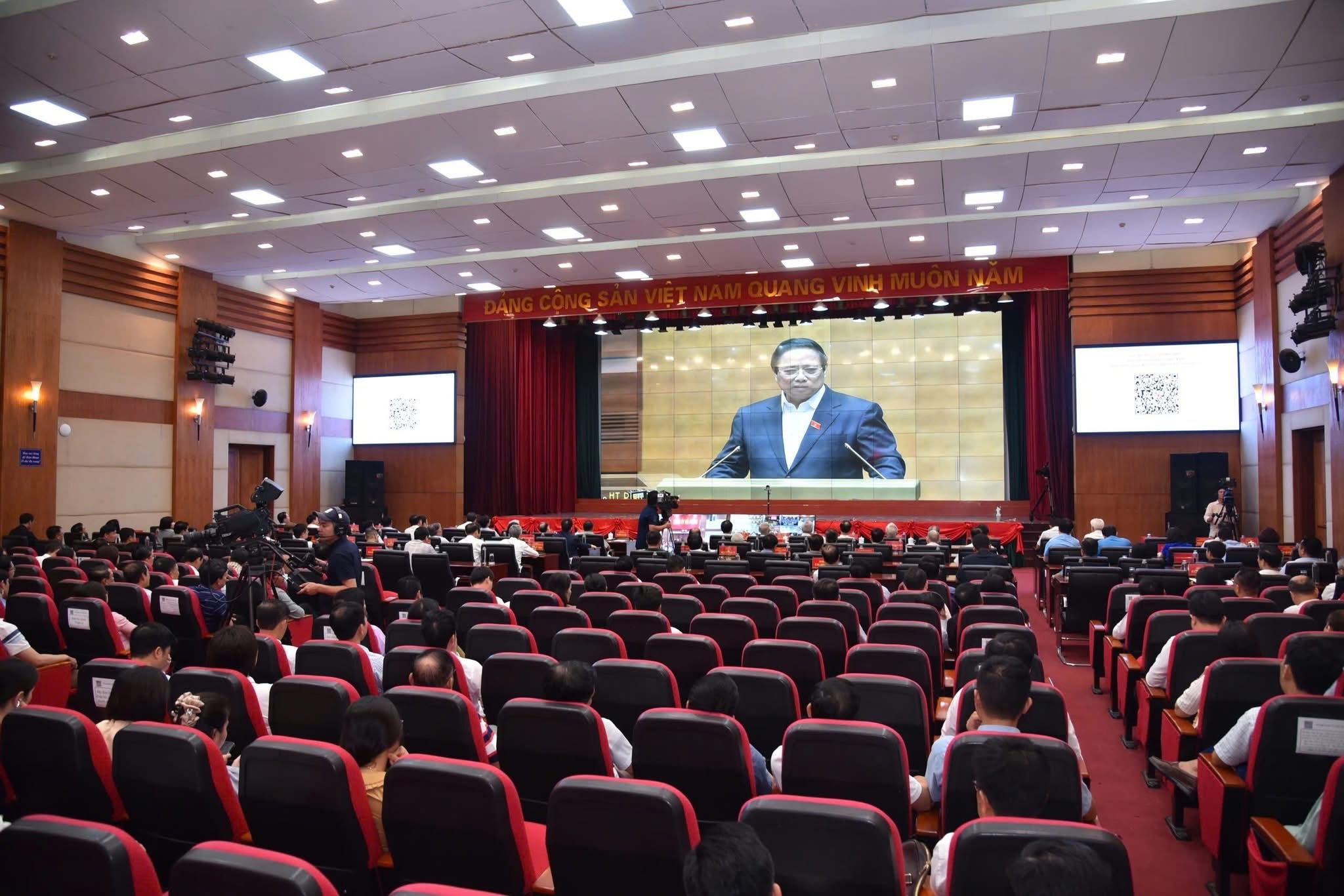
Strive to have 2 million businesses operating in the economy, 20 operating businesses/thousand people. There are at least 20 large enterprises participating in the global value chain. The average growth rate of the private economy is about 10-12%/year, higher than the growth rate of the economy; Contributing about 55-58% of GDP, about 35-40% of total state budget revenue, creating jobs for about 84-85% of the total number of workers; Labor productivity increases on average about 8.5-9.5%/year. Technology level, capacity, innovation, and digital transformation are among the top 3 countries in ASEAN and the top 5 countries in Asia.
Regarding the vision to 2045, the resolution determines that Vietnam's private economy will develop quickly, strongly, and sustainably, proactively participating in the global production and supply chain; have high competitiveness regionally and internationally; strive to have at least 3 million businesses operating in the economy by 2045; contributing about over 60% of GDP.
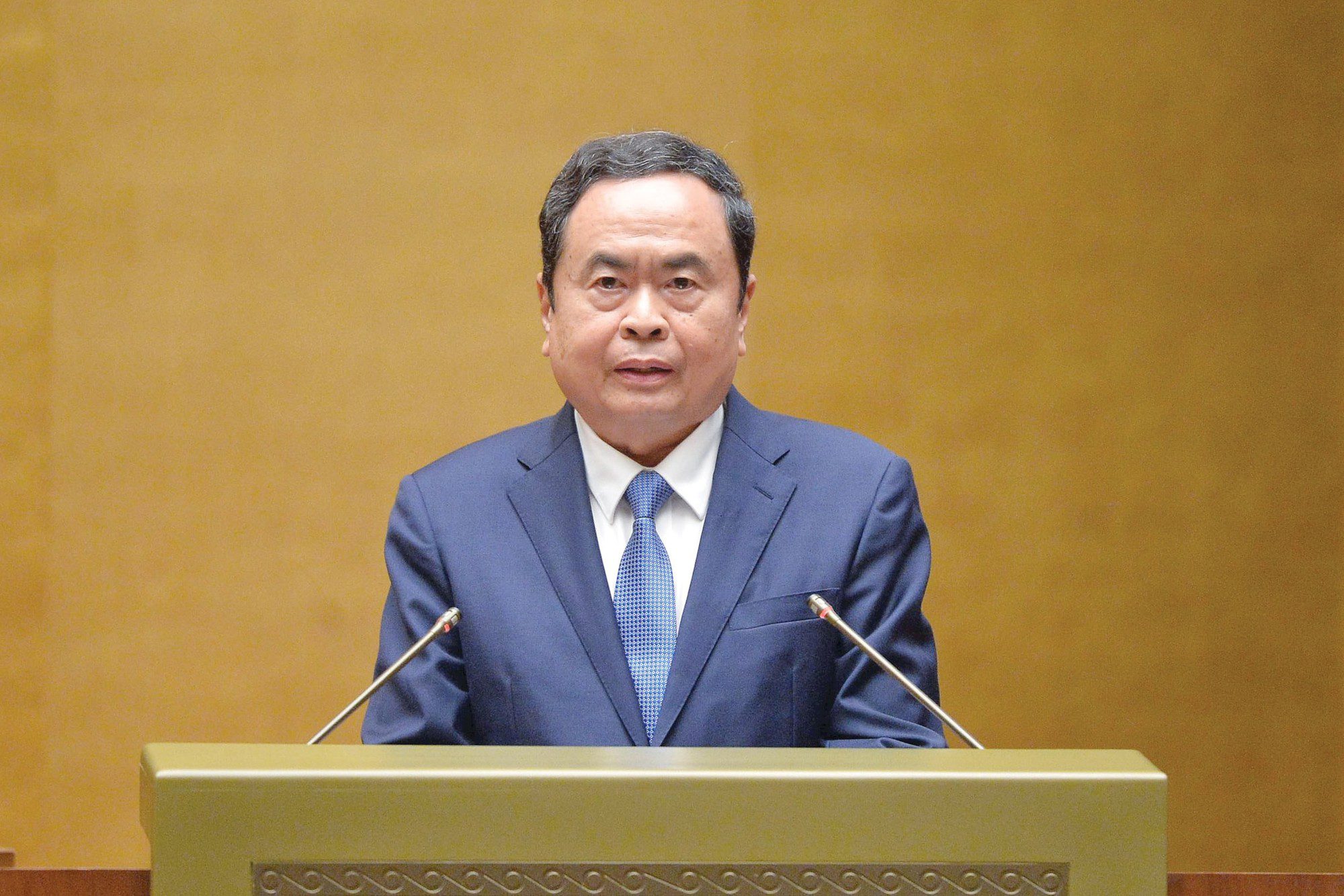
Chairman of the National Assembly Tran Thanh Man presented the topic "The core content of Resolution No. 66-NQ/TW, dated April 30, 2025 of the Politburo on innovating the work of law formulation and enforcement to meet the requirements of national development in the new era and the plan to implement Resolution No. 66-NQ/TW".
Resolution No. 66-NQ/TW defines the goal that by 2030, Vietnam will have a democratic, fair, synchronous, unified, public, transparent and feasible legal system with a strict and consistent implementation mechanism, ensuring the legal basis for normal, continuous and smooth operations of the following agencies, organizing the apparatus, removing obstacles arising from practice, paving the way for creating development and mobilizing All people and businesses participate in socio-economic development so that by 2030, Vietnam will be a developing country, with modern industry and high average income.
By 2025, basically complete the removal of "bottlenecks" due to legal regulations. In 2027, complete the amendments, supplements and promulgation of new legal documents to ensure a synchronous legal basis for the operations of the state apparatus according to the 3-level government model. By 2028, complete the legal system on investment and business, contributing to bringing Vietnam's investment environment into the group of 3 leading countries in ASEAN.
The resolution defines a vision that by 2045, Vietnam will have a high-quality, modern legal system, approaching advanced international standards and practices and consistent with the country's reality, implemented strictly and consistently, respecting, ensuring and effectively protecting human rights and citizens' rights; Respecting the Constitution and the law becomes the standard of conduct for all subjects in society; Modern national governance with a streamlined, efficient, effective and efficient state apparatus, meeting the requirements of rapid and sustainable national development, becoming a developed, high-income country following socialist orientation by 2045.
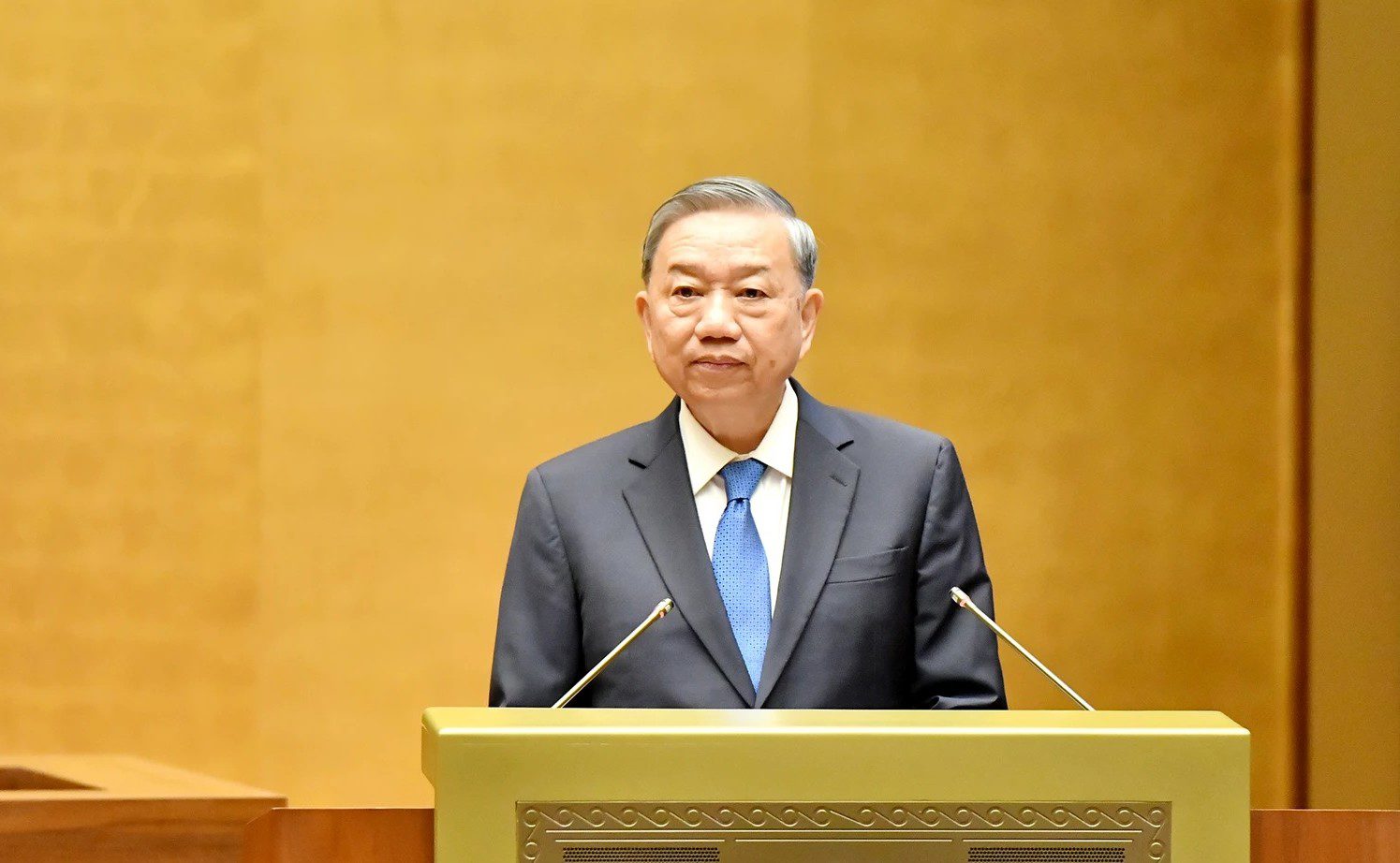
Speaking at the Conference, General Secretary To Lam affirmed: After nearly 40 years of persistently implementing the reform process, our country has achieved great achievements: continuous economic growth, improved people's lives, and constantly strengthened international position. Innovations and reforms focus on four breakthroughs: Resolution 57 of the Politburo: promoting science, technology and innovation; Resolution 59 on proactive and deep international integration (has been thoroughly studied). Today, we have just heard the Prime Minister thoroughly summarize Resolution 68: strongly develop the private economic sector; Comrade Chairman of the National Assembly thoroughly grasps Resolution 66: comprehensive reform of law formulation and enforcement.
Up to now, the above 4 Resolutions can be called the "Four Pillars" to help Vietnam take off. Therefore, the General Secretary calls on the entire political system, the entire Party, the entire people and the entire army to join hands, unite, overcome all difficulties, turn aspirations into actions, turn potential into actual strength, to together bring our country into a new era - an era of development, prosperity and strength of the Vietnamese people.
Regarding the key tasks in the next 5 years (2025 - 2030), General Secretary To Lam emphasized the need to perfect modern and synchronous legal institutions to promote development; breakthroughs in science, technology, innovation and digital transformation; Accelerate comprehensive, proactive and effective international integration; Develop the private economic sector to become "the most important driving force" of the national economy.
In particular, 2025 is a pivotal year to open a new era, while the goal of becoming a developed country is only two decades ahead. Therefore, General Secretary To Lam proposed that it is necessary to quickly complete and promulgate national programs and action plans to implement the 4 resolutions, ensuring close cohesion, clearly defining goals, tasks, roadmaps and specific assignments. At the same time, establish a set of indicators to monitor and evaluate periodically. Urgently comprehensively review the legal system, implement amendments, supplements, replacements or abolition of inadequate regulations in the spirit of Resolution 66-NQ/TW. Prioritize amending regulations related to property ownership, business freedom, innovation and international integration; Research and promulgate the Law on Private Economic Development.
Along with that, immediately launch key programs on science and technology, innovation and digital transformation; approve and implement national programs; Form new innovation centers. Focus on negotiating and effectively implementing new generation Free Trade Agreements (FTAs); proactively prepare to join new agreements, taking advantage of integration commitments to transform into real growth.
Implement breakthroughs in improving the business investment environment: cut at least 30% of administrative procedures, digitize public services, support capital, technology, and digital transformation for small and medium-sized enterprises; Build a project to develop a large private corporation. Strengthen the leadership, direction, and coordination apparatus to implement resolutions; establish specialized steering committees at central and provincial levels; ensure a unified direction mechanism, regular inspection and supervision.
In addition, it is necessary to prioritize training and fostering human resources to implement the resolution: in-depth training on modern law, science and technology, international integration and corporate governance; Cultivate a team of young officials with innovative thinking, digital capabilities and global adaptability. Promote communication and create social consensus: build national communication programs about each resolution; Strengthen policy dialogue between the Government, businesses, people and intellectuals, mobilize social intelligence for the implementation process.../.