
 Procedures

Online mailbox
Receiving feedback and proposals from organizations and individuals.

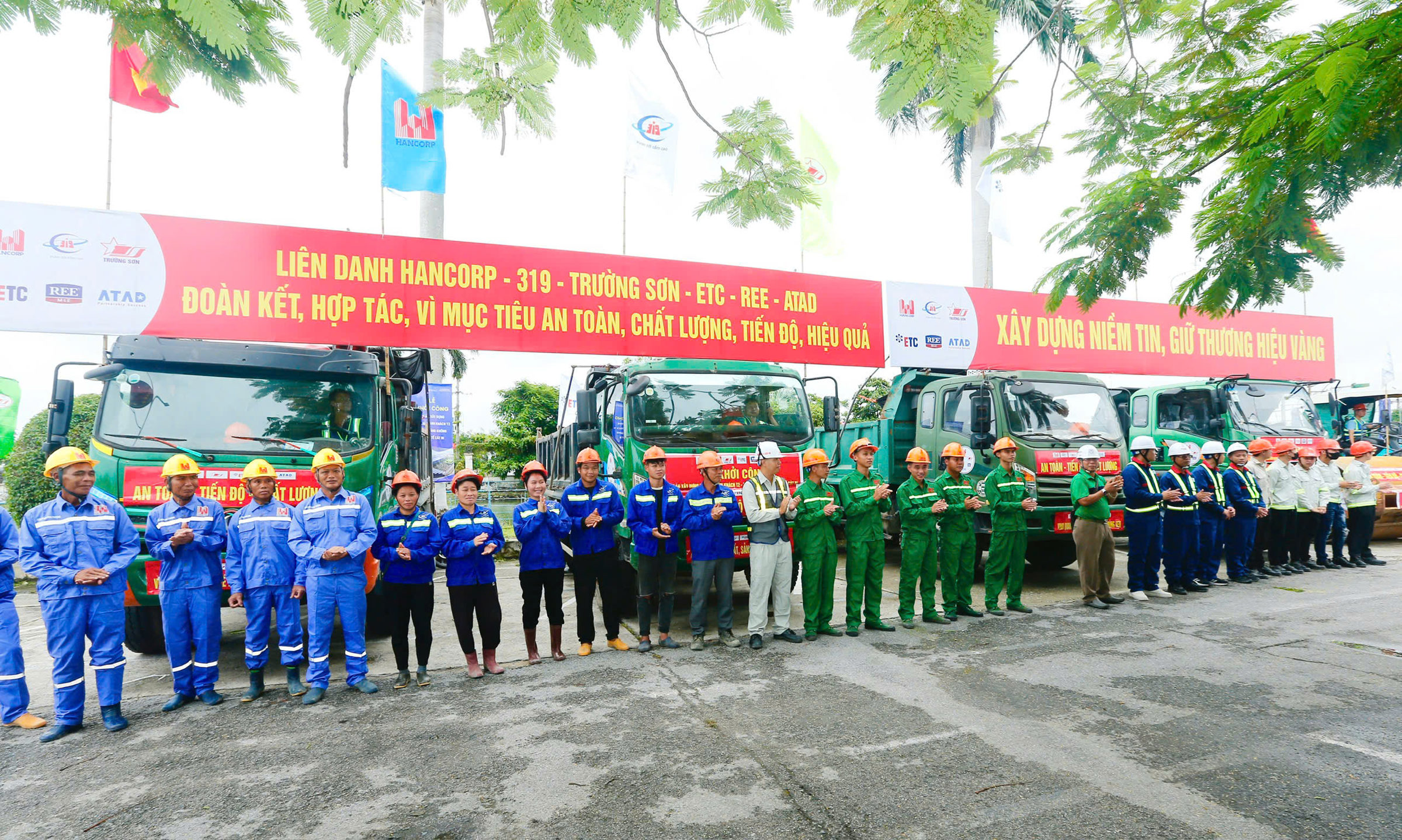
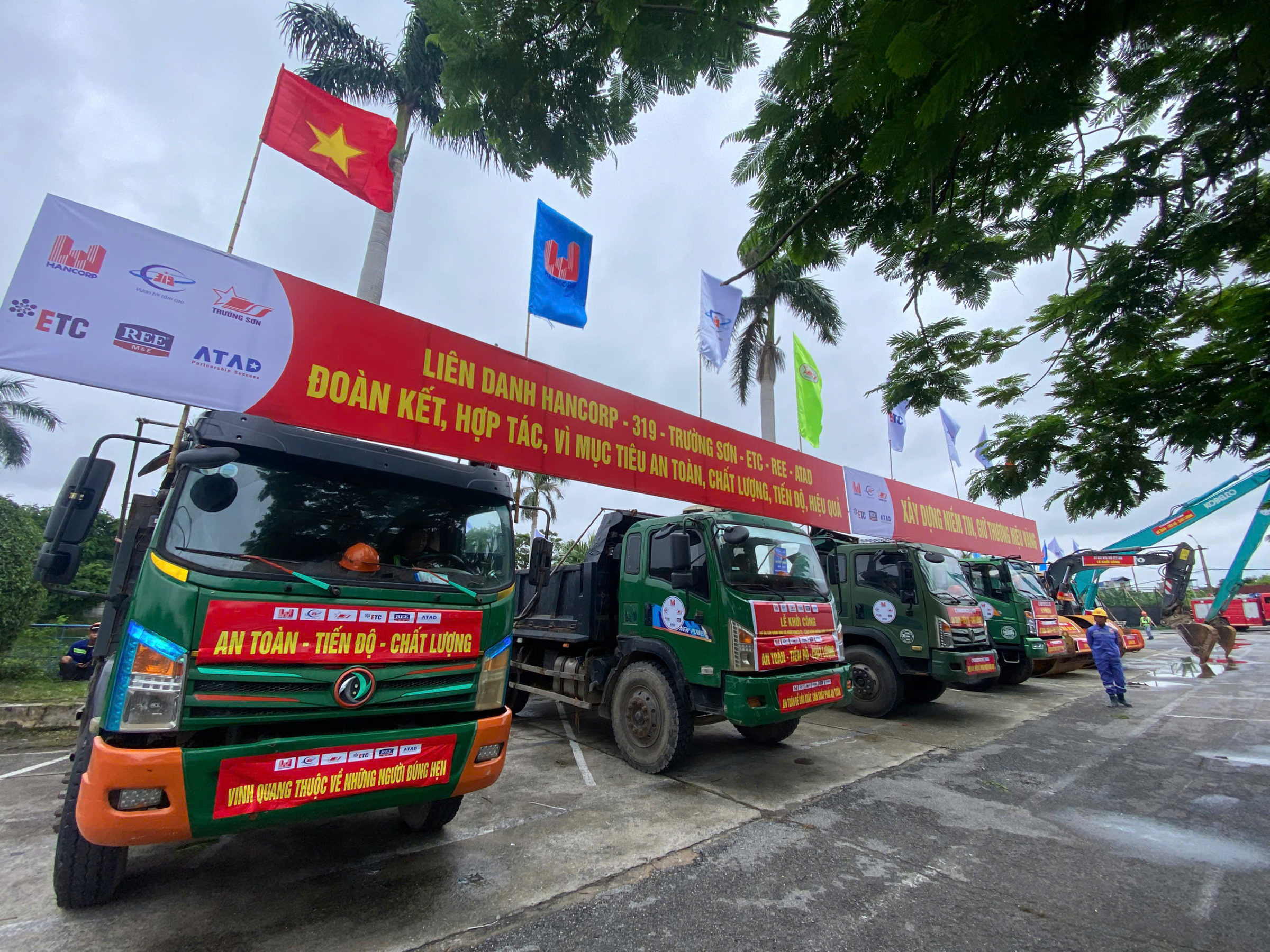
On the occasion of the 80th Anniversary of the August Revolution and the National Day of the Socialist Republic of Vietnam (September 2, 1945 - September 2, 2025), on the morning of August 19, the People's Committee of Hai Phong city coordinated with the Airports Corporation of Vietnam - JSC (ACV) to organize the Groundbreaking Ceremony of the Project "Construction of Passenger Terminal T2 - Cat Bi International Airport".
This is a key project selected by the Government as one of the national online bridges, affirming the particularly important significance of the project not only for the socio-economic development of Hai Phong city, but also for completing the national airport network, meeting the requirements of development and integration in the new period.
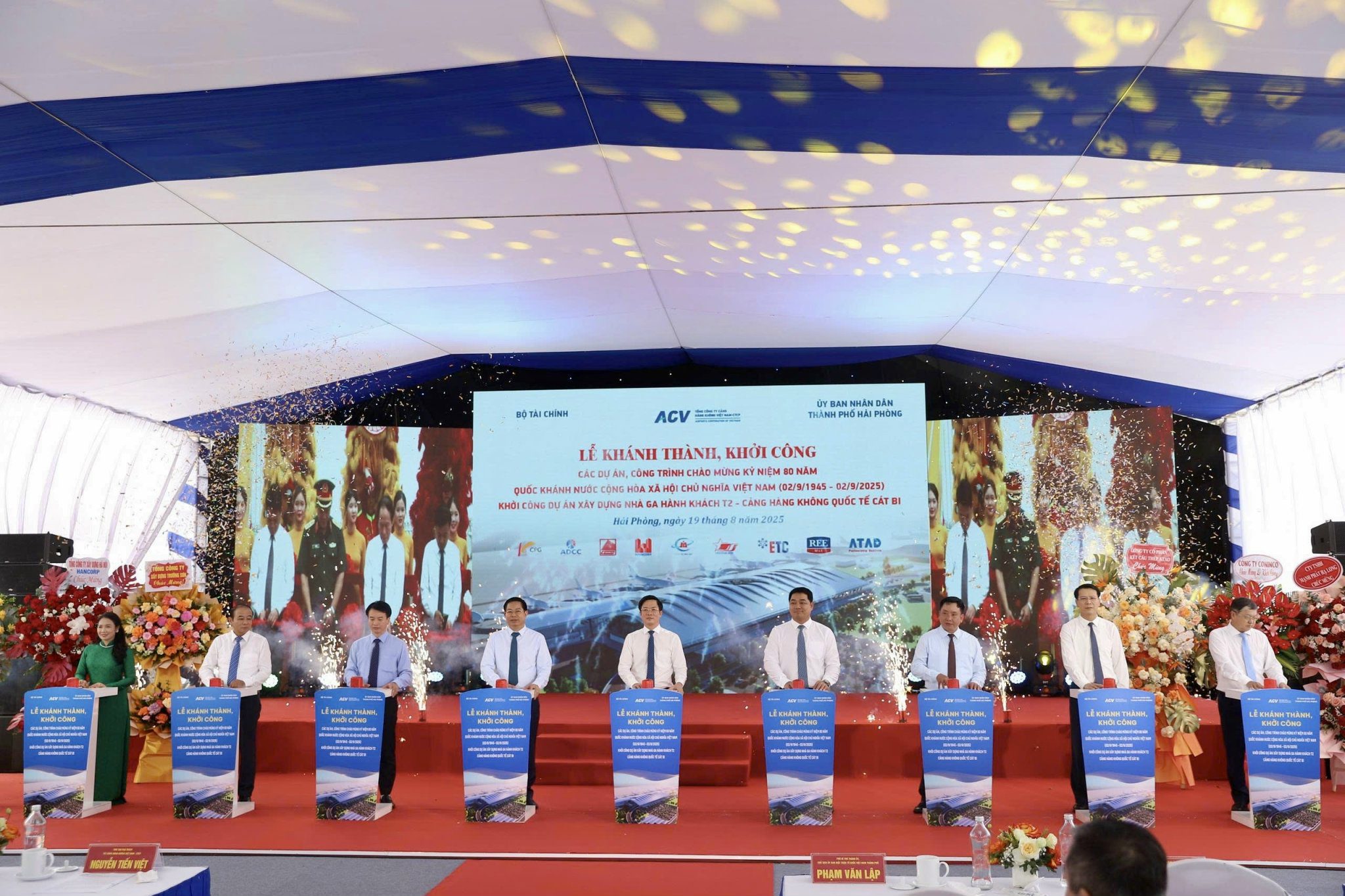
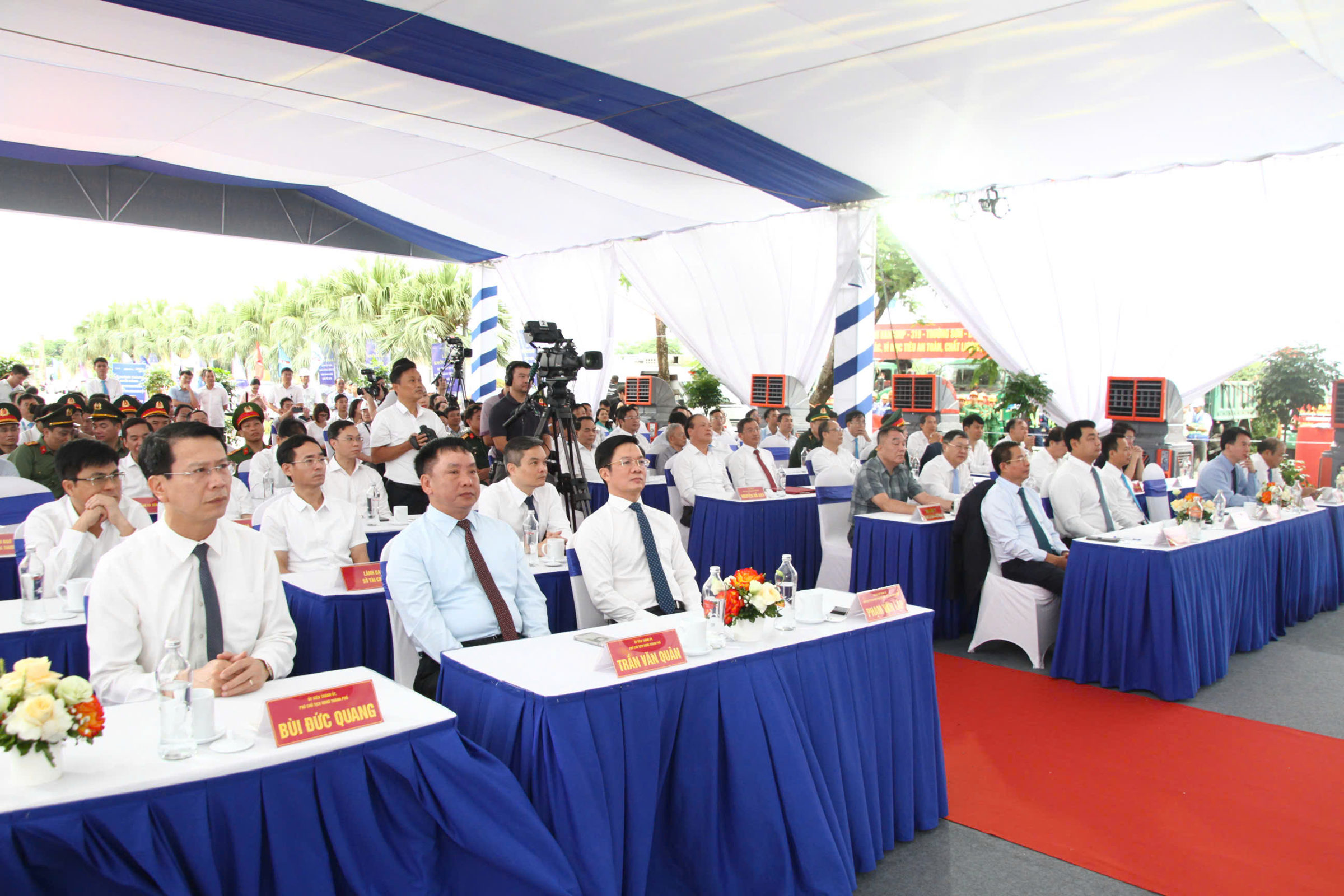
Attending the groundbreaking ceremony were comrades: Pham Van Lap, Deputy Secretary of the City Party Committee, Chairman of the city's Vietnam Fatherland Front; Nguyen Duc Tuan, Member of the Standing Committee of the City Party Committee, Permanent Vice Chairman of the city's Vietnam Fatherland Front; Tran Van Quan; Vice Chairman of the City People's Committee; Bui Duc Quang, Vice Chairman of the City People's Council; La Thanh Tan, Deputy Head of the National Assembly Delegation in charge of the city and leaders of the city's departments and branches.
Passenger Terminal T2 - Cat Bi International Airport (HKQT) project in Hai An ward, Hai Phong city is invested by Airport Corporation of Vietnam - Joint Stock Company (ACV) with total investment 2,689,819 billion VND. The project implementation period is 18 months.
The project is built with an area of about 23,200 m², design capacity of 5 million passengers/year (corresponding to 1,500 passengers/peak hour), and plans to expand to increase capacity to 10 million passengers/year when needed. Together with Terminal T1 (which is being studied to expand to 3 million passengers/year), the project will meet the goal of increasing the total capacity of the entire Port to 13 million passengers/year by 2030, in accordance with the Cat Bi International Airport Planning for the period 2021–2030, with a vision to 2050 approved by the Ministry of Transport and according to the investment policy of the Prime Minister.
Passenger terminal T2 is designed with a scale of 2 floors, with 2 separate departure and arrival elevations; Connected to the aircraft apron by 04 telescopic bridges carrying passengers, including 3 code C tube bridges and 01 double tube bridge that can operate 01 code E aircraft or 2 code C aircraft at the same time.
The terminal has 2 baggage check-in islands with 28 check-in counters (including 05 self-baggage drop-off counters - Self Bag Drop), 14 check-in kiosks, 2 baggage loading and unloading conveyors and 3 incoming baggage conveyors.
Ancillary items of the Project: including M&E technical area, power station, chiller station, wastewater treatment station, parking lot, landscape, intra-port traffic, lighting system, water supply and drainage system... meet international standards.
Passenger Terminal T1 - Cat Bi International Airport has been promoting its service role well, however, the current passenger flow through Terminal T1 has far exceeded the original design capacity (2 million passengers/year). Therefore, the construction of Passenger Terminal T2 - Cat Bi International Airport is an urgent requirement and also a strategic step to improve exploitation capacity, meeting the needs of socio-economic development, tourism and international integration in the new period.
After completing the project and putting it into operation, Passenger Terminal T2 - Cat Bi International Airport will contribute to completing the aviation infrastructure system, meeting the current and future development needs of the Airport, improving the quality of passenger service, and improving operational efficiency at the Airport. At the same time, expanding the air transport network, connecting Hai Phong city with other areas across the country, creating more favorable conditions to attract investment to develop the local economy, promote Logistics development, expand trade and cultural exchanges, contribute to the city's socio-economic development and attract domestic and international tourists to Hai Phong.
The investment in the project not only meets the requirements of serving passengers, contributing to promoting the city's socio-economic development, but also meets important requirements in ensuring security, national defense, and ensuring social order and safety./.