
 Procedures

Online mailbox
Receiving feedback and proposals from organizations and individuals.

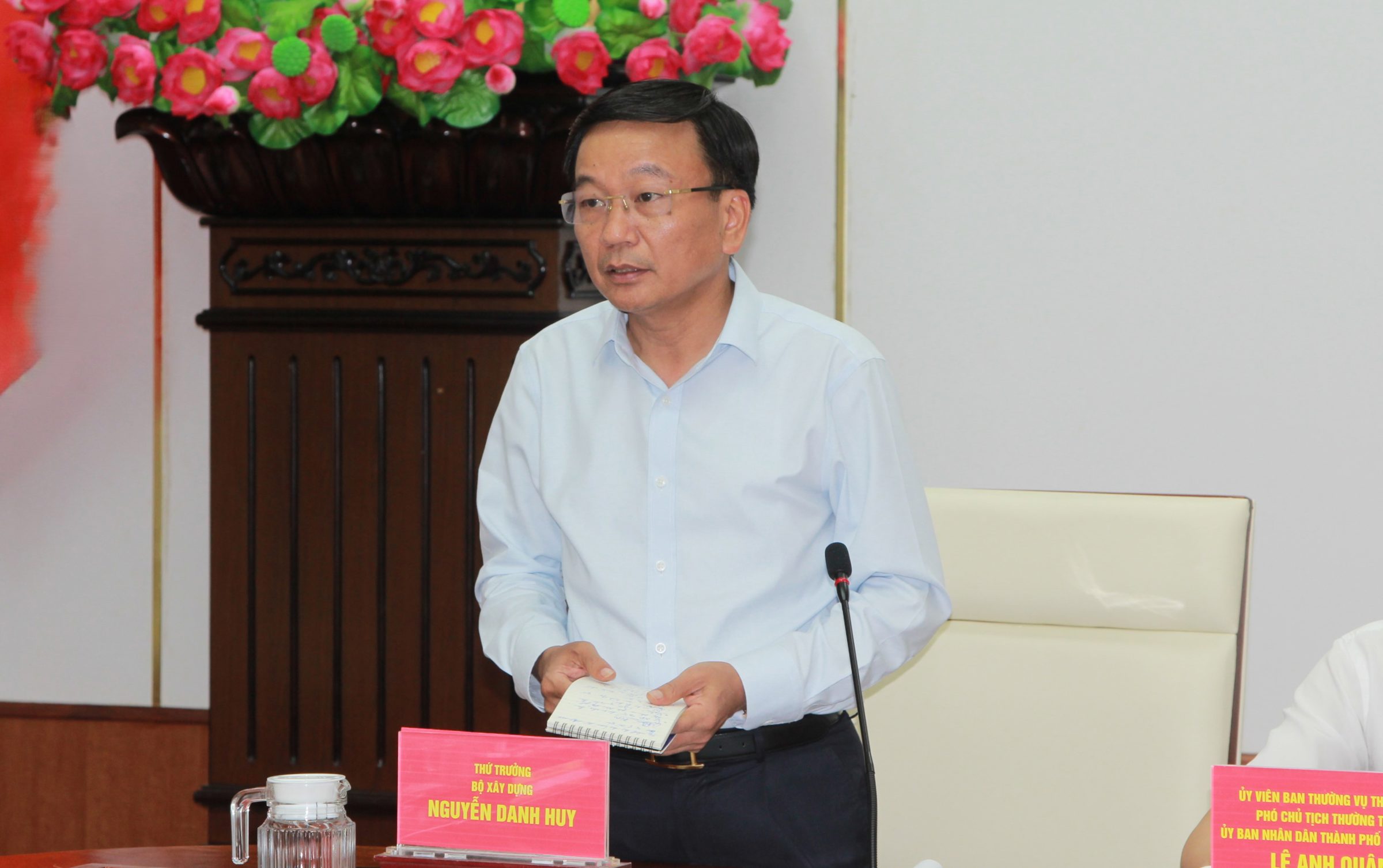
On the afternoon of August 28, the Ministry of Construction's working delegation led by Deputy Minister Nguyen Danh Huy had a working session with Hai Phong city on reviewing the railway route and road route connecting to station locations to prepare documents for the Feasibility Study Report of the Lao Cai - Hanoi - Hai Phong railway project.
Welcoming and working with the delegation were Standing Vice Chairman of the City People's Committee Le Anh Quan, Vice Chairman of the City People's Committee Tran Van Quan and representatives of relevant departments, branches and localities.
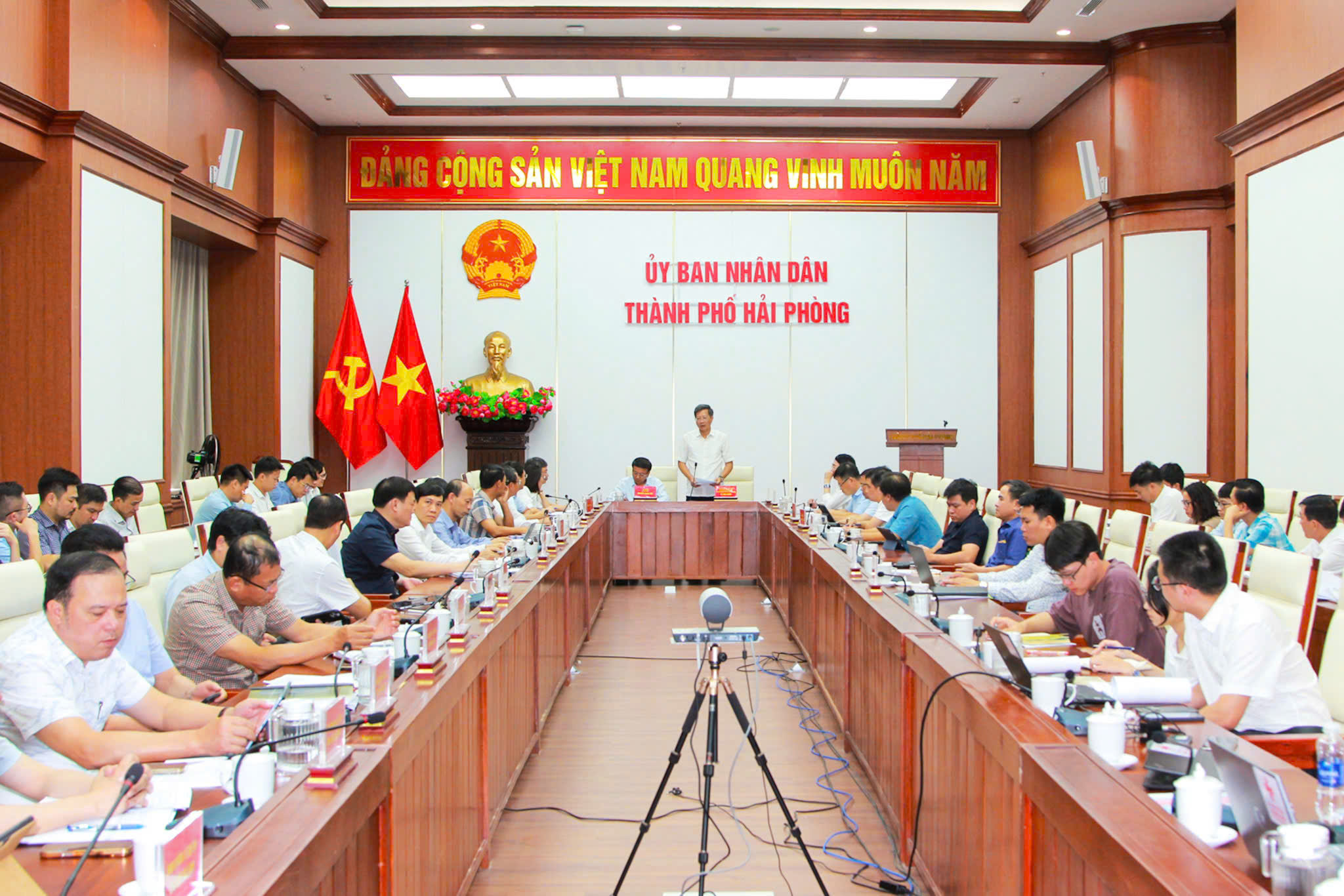
According to Resolution 187/2025/QH15 of the National Assembly, the Lao Cai - Hanoi - Hai Phong railway construction investment project aims to build a new railway line with a length of about 403.1km, including a main line 388.1km long and 2 branch lines 20.57km long passing through 6 provinces and cities including: Lao Cai, Phu Tho, Hanoi, Bac Ninh, Hung Yen and Hai Phong. Design speed of the main route section is 160km/h; Branch route section 80km/h.
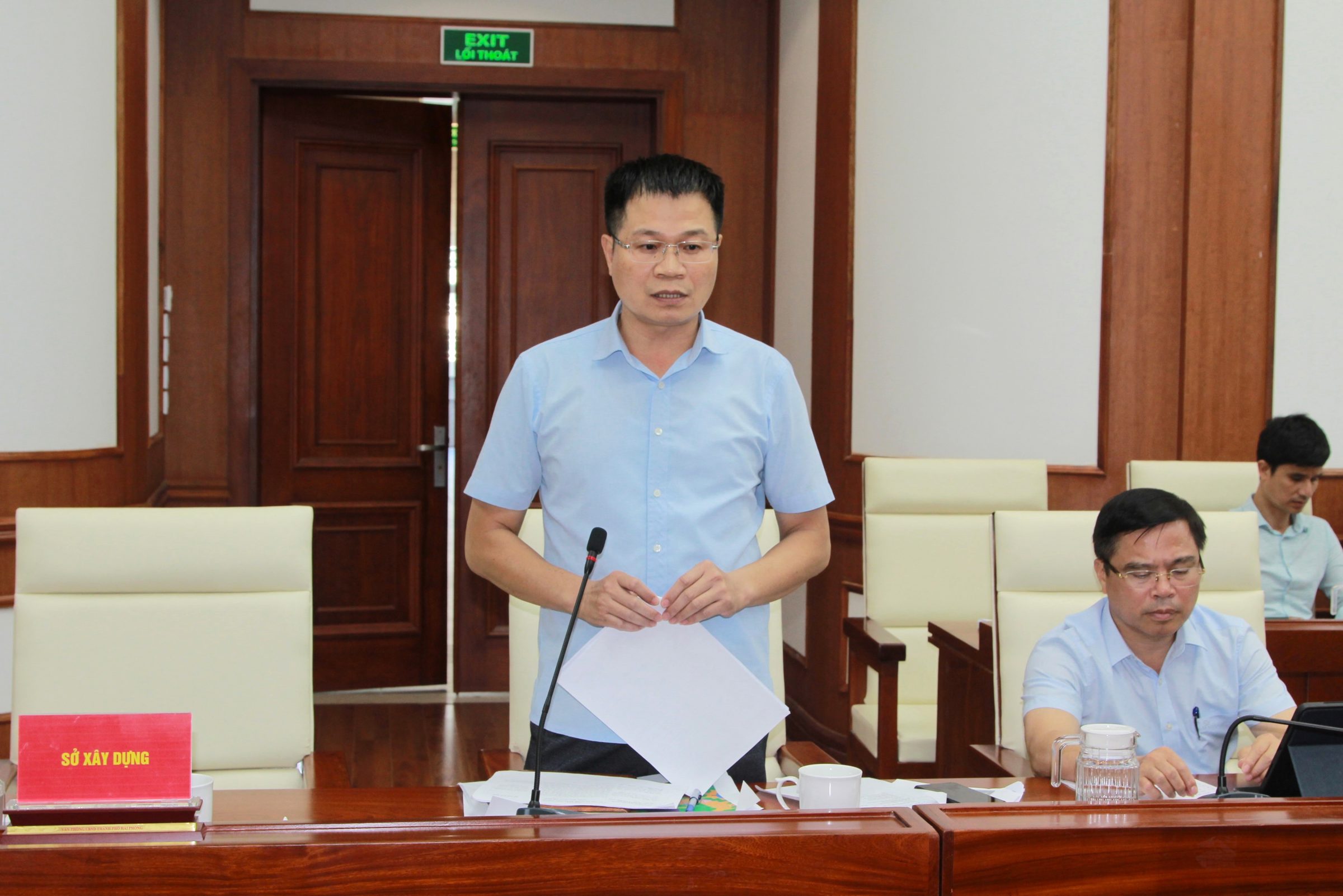
In particular, the section through Hai Phong is about 86,916 km long. The Nam Do Son branch lines are 13,205 km long and the Dinh Vu branch lines are 4,391 km long. On the section in Hai Phong city, 10 stations are designed, including: 1 section station (South Hai Phong station); 1 intermediate station (Hai Duong Nam); 5 train stations (Binh Giang, Tu Ky, Thanh Ha, Nam An Lao, Nam Dinh Vu); 3 stations in the port area (Lach Huyen Port, Dinh Vu Port, Nam Do Son Port).
At the meeting, the foreign consulting agency reported the research results, with some changes compared to the previous Pre-Feasibility Report. Mainly adjusting the location of Hai Duong South Station, adjusting the location of Hai Phong South Station and adjusting the Dinh Vu branch route plan. The Hai Duong South - South Hai Phong section has a length of 47.5 km. Because the traffic volume forecast in this section is expected to increase significantly compared to the pre-feasibility plan, in the feasibility plan, the consulting agency recommends designing an additional train bypass station to meet the throughput capacity between the 2 stations. Binh Giang Station is less than 7 km from Hai Duong Nam Station. Based on the principle of cargo concentration, the plan proposes to adjust the nature of Binh Giang Station from a cargo station to a train bypass station, concentrating cargo handling at Hai Duong Nam Station.
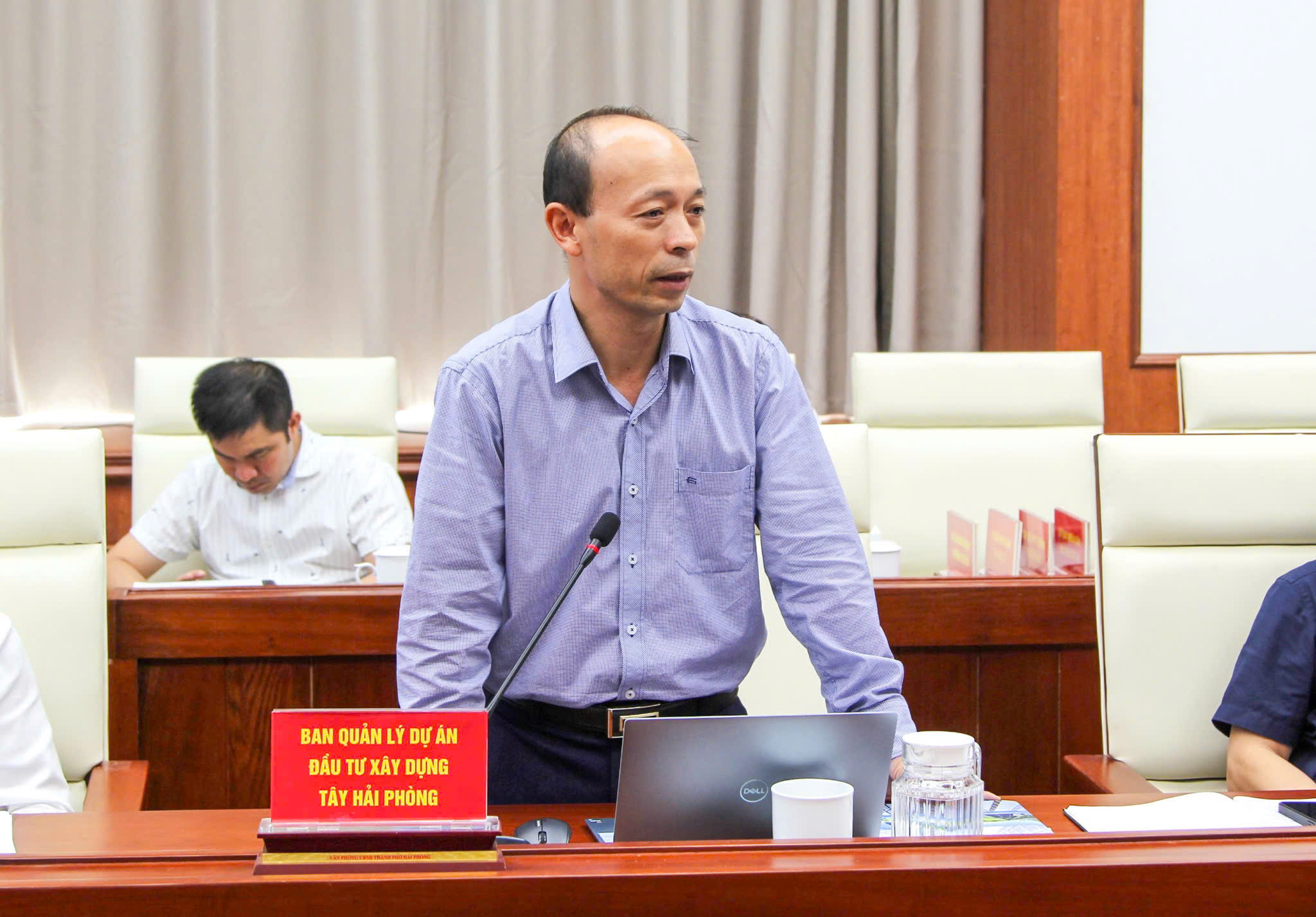
Contributing comments to the Feasibility Study Report, leaders of city departments and branches said: Hai Phong has completed the work of placing boundary markers for the main line, branch lines and stations. For secondary projects, it is to build 14 resettlement areas (West Hai Phong has 11 areas and East Hai Phong has 3 areas). Hai Phong Department of Construction has approved a project in the East and strives to complete appraisal this September. In the west of Hai Phong, appraisal of 5 resettlement areas has been completed, 1 area is eligible for implementation.
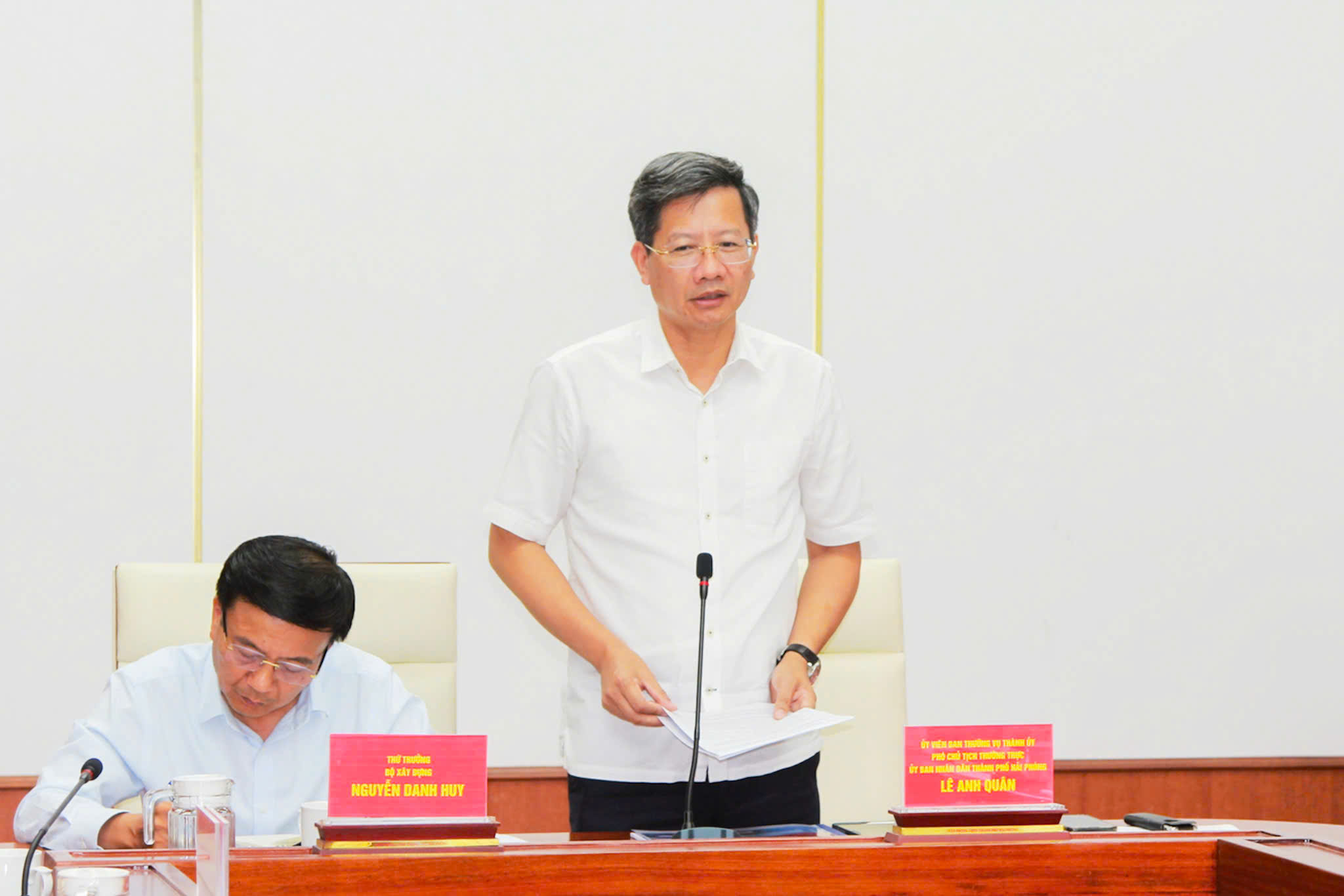
After listening to the presentation of the Consulting Agency and comments from departments and branches, Permanent Vice Chairman of the City People's Committee Le Anh Quan and Deputy Minister of Construction Nguyen Danh Huy came to an agreement on a number of contents to complete the construction of the Feasibility Study Report.
Accordingly, adjustments to the main line and branch lines are limited because Hai Phong city is basically carrying out site clearance steps to build the railway, including the main line and branch lines. Any adjustment will only come from specialized railway technical requirements or further research on planning, space planning and functional zoning.
The adjustment of functions and location of station construction will also be limited, focusing on in-depth research of factors affecting spatial architecture and level of site clearance. In particular, Hai Phong South Station maintains the old plan, located south of the Hanoi - Hai Phong highway; Consider and research the construction of elevated Dinh Vu Station to limit future construction and operating costs./.