The above viewpoint was expressed at a discussion on the Vietnam - Korea Free Trade Agreement (VKFTA), organized by Vietnam Economic Times and the Korean Business Association (KorCham) in Vietnam, on the morning of January 22, 2016.
“The opportunity is great, but…”
At the seminar, Mr. Nguyen Tri Ngoc, Vice President and General Secretary of the Vietnam General Association of Agriculture and Rural Development said, the most noticeable thing is that for many years now, we have been struggling with the story of consuming agricultural products for farmers, without having real, fundamental, sustainable solutions; Or that everywhere we go, we see complaints, complaints, and concerns about unsafe fruits and vegetables and food; No trust in domestic agricultural products...
The Government has issued Decree 210/2013/ND-CP on policies to encourage businesses to invest in agriculture and rural areas, but according to Mr. Ngoc, two years later this decree has still not come to life.
"It took years to issue guiding circulars. Or when we went to localities to learn and advocate for implementation of the Decree, every locality said they did not have the capital to implement it," Mr. Ngoc said.
At the seminar, some experts said that in the process of restructuring the economy, agriculture will definitely have to be restructured. However, if businesses cannot invest in agriculture and rural areas, agricultural restructuring will never be successful.
At the same time, there needs to be fundamental solutions so that Vietnam's agricultural enterprises will no longer operate in a fragmented and small way.
According to Mr. Le An Hai, Deputy Director of the Asia-Pacific Market Department (Ministry of Industry and Trade), when Vietnam signs FTA agreements, typically VKFTA (officially effective from December 20, 2015), it is an opportunity to restructure the agricultural industry.
The Deputy Director also said that, with VKFTA, businesses in general and especially Vietnamese agricultural businesses have a very large and high-value market, of course if Vietnamese agricultural products meet Korea's strict standards.
So, "the challenge or opportunity lies with the business itself. The opportunity is huge, but if the business cannot grasp it and cannot adapt, it is a barrier and a challenge," Mr. Hai said.
“Difficult” is good
Despite many limitations, Vietnam's agricultural sector is also showing good signs, according to speakers at the discussion.
Some large enterprises such as Vingroup, Hoang Anh Gia Lai, Hoa Phat... have started investing in agriculture, which shows that this industry is becoming more attractive.
When VKFTA has become a reality, Vietnamese agricultural and aquatic products will have many advantages for exporting to a valuable market like Korea.
On the contrary, the "openness" of the agreement will also attract Korean investors to invest in agriculture in Vietnam.
“Taxes and tax rates for agricultural and aquatic products... will be reduced, which also means that Vietnamese businesses have a great opportunity to bring products into the Korean market,” said Mr. Ryu Hang Ha, Chairman of KorCham.
According to Mr. Nguyen Tri Ngoc, Vietnamese agricultural enterprises can learn and refer to Korean rural development models, such as the application of high technology in agricultural production.
In addition, Mr. Ngoc said, instead of being "temporarily reassured" or satisfied because they have exported to easy-going markets..., they need to set more stringent standards and regulations to ensure they can export directly to difficult markets like Korea or Japan.
“Only then can we take advantage of the opportunities that the FTA agreement brings,” many participants in the discussion analyzed.
Opinions also say that, when Korean investors and businesses in the agricultural sector enter Vietnam under VKFTA policies, with advantages in technical level, professionalism, level of technology application, high ability to compete in the market, it will certainly create pressure for Vietnamese businesses to change and adapt to compete.

 Procedures


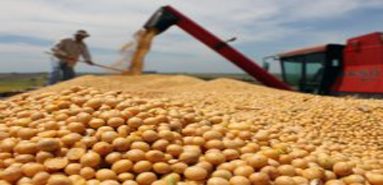 Vietnamese businesses have a great opportunity to bring products into the Korean market.