
 Procedures

Online mailbox
Receiving feedback and proposals from organizations and individuals.

Officially approved the Master Plan on ASEAN Connectivity 2025. The 28th ASEAN Summit in Vientiane (Laos) on September 6, 2016 approved [...]
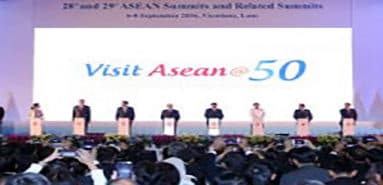
The 28th ASEAN Summit in Vientiane (Laos) on September 6, 2016 approved the Master Plan on ASEAN Connectivity 2025 (MPAC 2025). This plan continues the success of the Master Plan on ASEAN Connectivity 2010, focusing on five strategic areas: sustainable infrastructure, digital innovation, uninterrupted logistics, optimized planning and human mobility.
MPAC 2025 is built on the basis of consultation with ASEAN specialized agencies and relevant parties. The remaining initiatives of MPAC 2010 will be considered and evaluated in MPAC 2025.
About sustainable infrastructure development: ASEAN needs at least 110 billion USD in infrastructure investment each year to prepare for future growth, MPAC 2025 aims to help investors expand opportunities from sustainable infrastructure development by improving project preparation processes, enhancing productivity, and supporting cities in adopting sustainable activities.
 About digital innovation: Digital technology in ASEAN has the potential to grow up to 625 billion USD by 2030, from increased efficiency, new products and services. The process of digital innovation requires establishing management frameworks to implement new digital services, supporting the sharing of best practices in open data; Equipping micro, small and medium-sized enterprises with the ability to access new technologies.
About uninterrupted logistics services: Improving the competitiveness of the logistics industry will create the flow of goods within the ASEAN community, increasing business opportunities for ASEAN citizens. MPAC 2025 works towards this goal by identifying and resolving key bottlenecks to key trade routes within ASEAN.
About planning optimization: ASEAN member countries have significantly reduced tariffs, benefiting consumers in the region. MPAC focuses on standards harmonization, mutual recognition and technical regulations, as well as trade-distorting non-tariff measures to achieve planning optimization.
On the movement of people: The number of tourists from outside ASEAN could reach 150 million by 2025. MPAC 2025 will focus on providing comprehensive information on travel options and simplifying visa procedures. This will also develop frameworks of high-quality standards across multiple occupations that ASEAN member states can implement according to their individual contexts, and encourage student mobility within ASEAN.
According to the Lao Foreign Minister and Chairman of the ASEAN Coordinating Council, the Master Plan on ASEAN Connectivity 2025 is an ambitious plan, but also very practical. ASEAN has built strong enforcement mechanisms to ensure effective coordination between relevant agencies and can create positive change in the next 10 years. ASEAN also expects that with a region with a young population, strategic location and innovative technology, if MPAC 2025 is implemented effectively, it will bring many educational and economic opportunities to the people of ASEAN and can create synergy for the whole region./.
Source: Cong Thuong Electronic Newspaper