
 Procedures


Online mailbox
Receiving feedback and proposals from organizations and individuals.

(Haiphong.gov.vn) - On the afternoon of October 22, Chairman of the City People's Committee Do Thanh Trung chaired a conference to hear the report on the research findings and proposed solutions to enhance the efficiency of managing, exploiting, and protecting water resources in Hai Phong City, conducted by the Korea Water Resources Corporation (K-water).
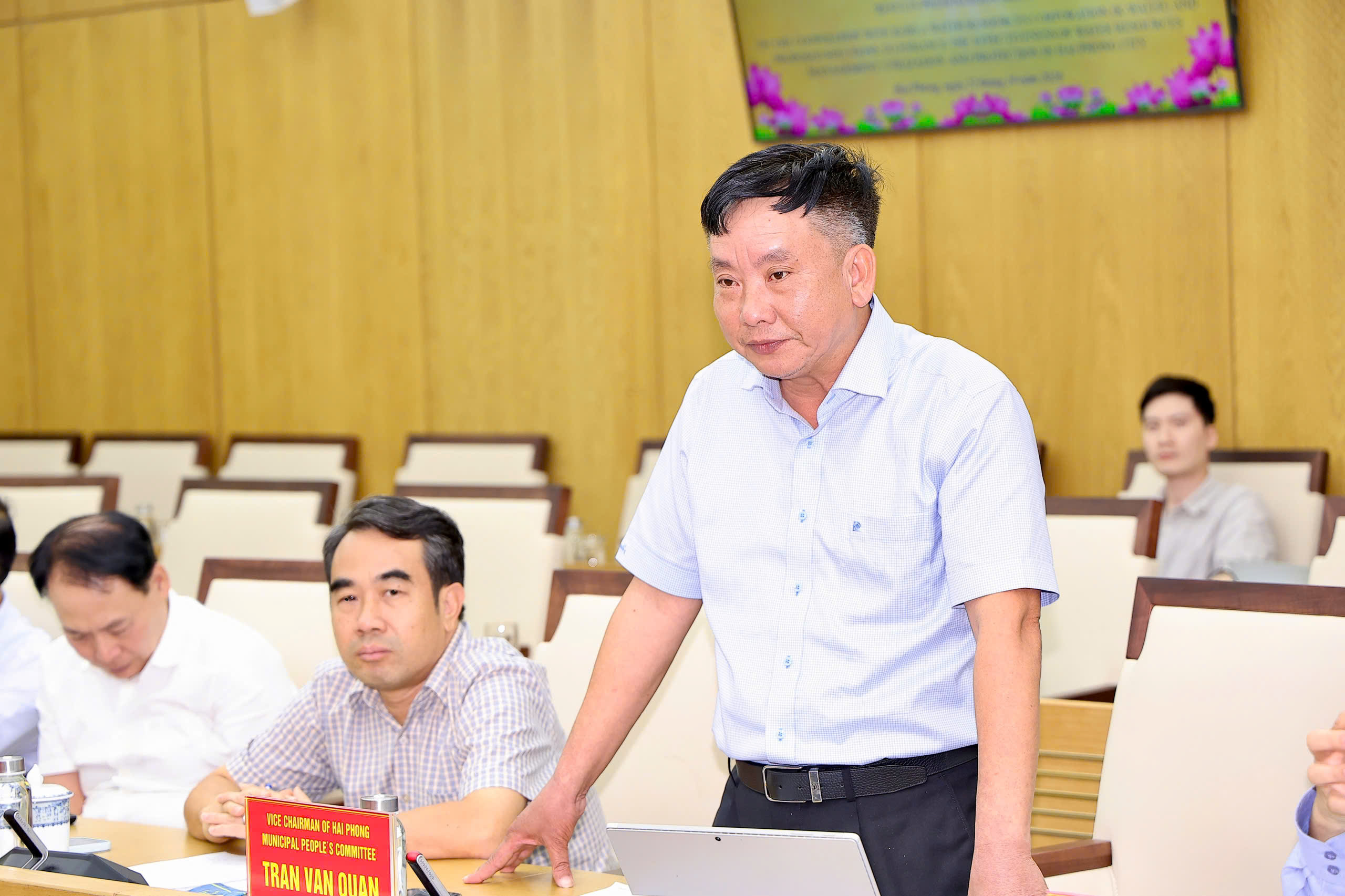
Also attending the conference were comrade Tran Van Quan, Vice Chairman of the City People's Committee; leaders of municipal departments and agencies: Agriculture and Environment, Construction, Finance, Science and Technology, Health, Foreign Affairs, Industry and Trade, the Hai Phong Economic Zone Authority, and Hai Phong Water Joint Stock Company. On the side of the Korea Water Resources Corporation (K-water), there were Mr. Han Seong Yong, Vice President of K-water and Senior Executive Manager of the Global Business Division; Mr. Son Dae Ik, Director General of the Global Business Division; Mr. Cho Han Dong, Director of the K-water Center in Vietnam, along with experts and specialized officials.
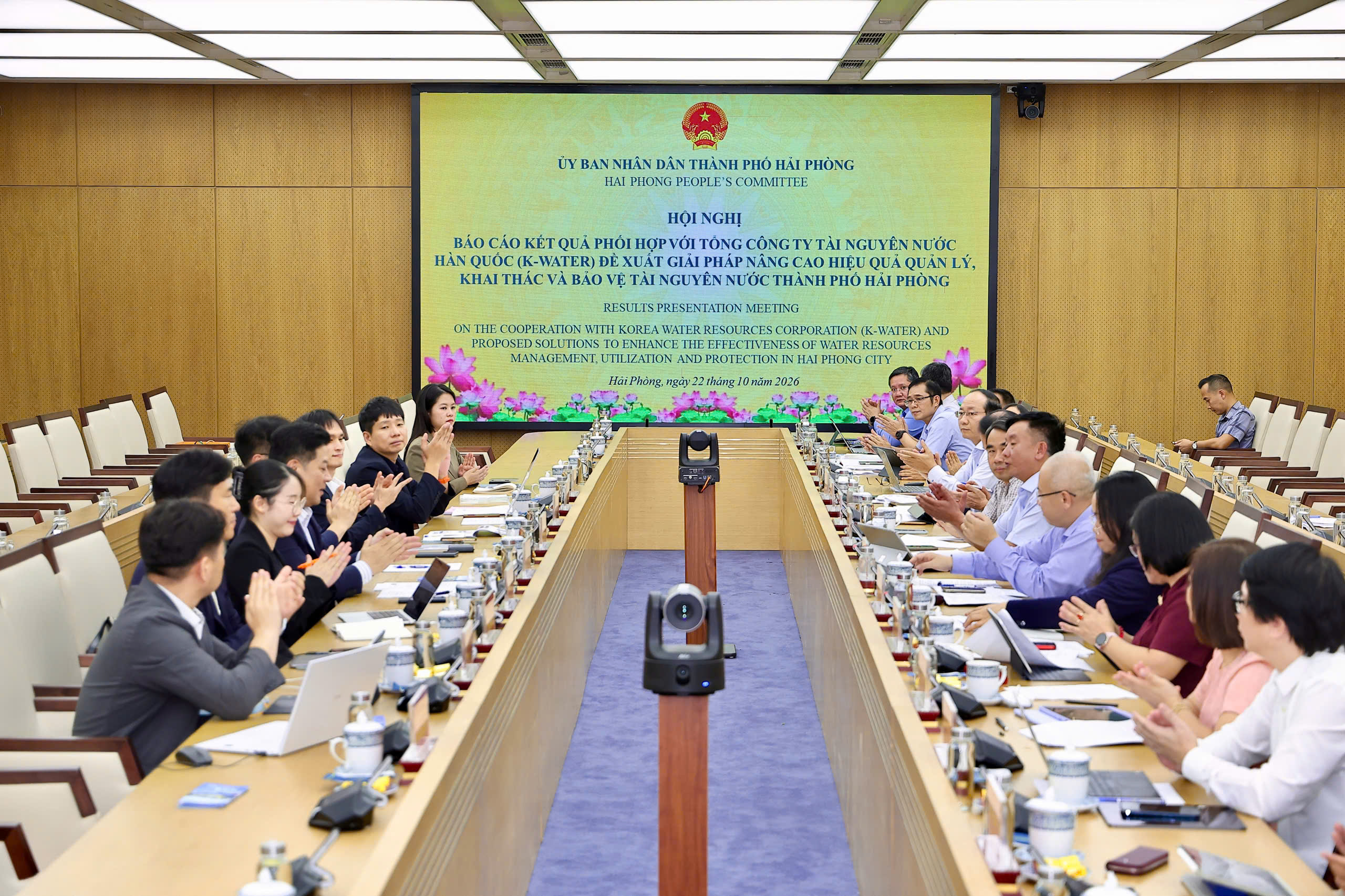
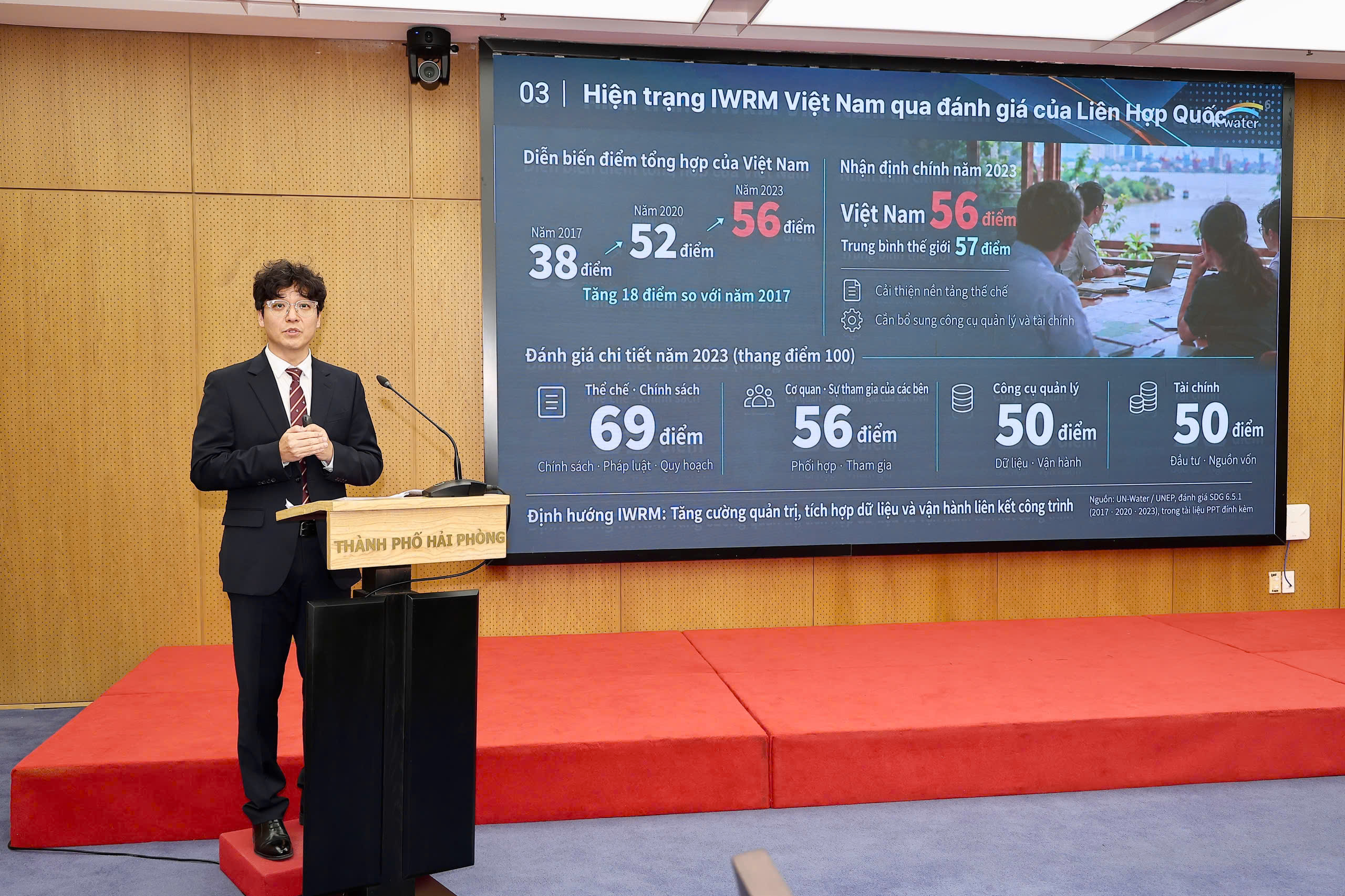
Reporting at the conference, the leadership of the Department of Agriculture and Environment stated that: Implementing the directives of the City People's Committee, the City Working Group has worked in close coordination with K-water to review the current status, collect hydrological data, and comprehensively assess the water supply-demand balance across the city post-consolidation. K-water's research report clearly identified key bottlenecks facing Hai Phong, including: difficulties in freshwater intake during the dry season and increasingly deep saltwater intrusion; pollution from domestic and industrial wastewater; urban inundation caused by the combined impact of heavy downpours, river floods, and high tides; limited water resources on islands, along with fragmented monitoring databases and hydraulic works operation.
On that basis, K-water proposed a vision for the city's water resources management up to 2050 towards "Safety, Circularity, and Smartness," with five focal strategic groups: Integrated flood response; Stable freshwater supply; Pollution control and water quality assurance; Enhancement of water supply self-reliance for islands; and Digital data integration and smart river basin governance. The five strategies are operationalized into 21 tasks (comprising 9 non-structural tasks and 12 structural tasks), with phased investment schedules and allocated implementation resources.
Further clarifying the current irrigation status at the conference, the Department of Agriculture and Environment emphasized the vital role of five lifeline river systems: Re, Gia, Da Do, Chanh Duong, and Hon Ngoc. Currently, these five systems serve irrigation and drainage for more than 54,000 hectares of cultivated land, drainage for 45,100 hectares of suburban areas, and supply nearly 500,000 m³/day-night of raw water for clean water production and key industrial zones in the East. Water demand from these five sources is projected to rise to 1 million m³/day-night by 2030. The Department requested K-water to carefully calculate low-flow season water balance scenarios, evaluate the capacity to expand effective storage capacity (currently standing at approximately 30 million m³), formulate wastewater diversion schemes, and compare the feasibility and capital expenditure between upgrading the existing systems and constructing a dedicated water transfer pipeline from the West to the East prior to integration into the master plan.
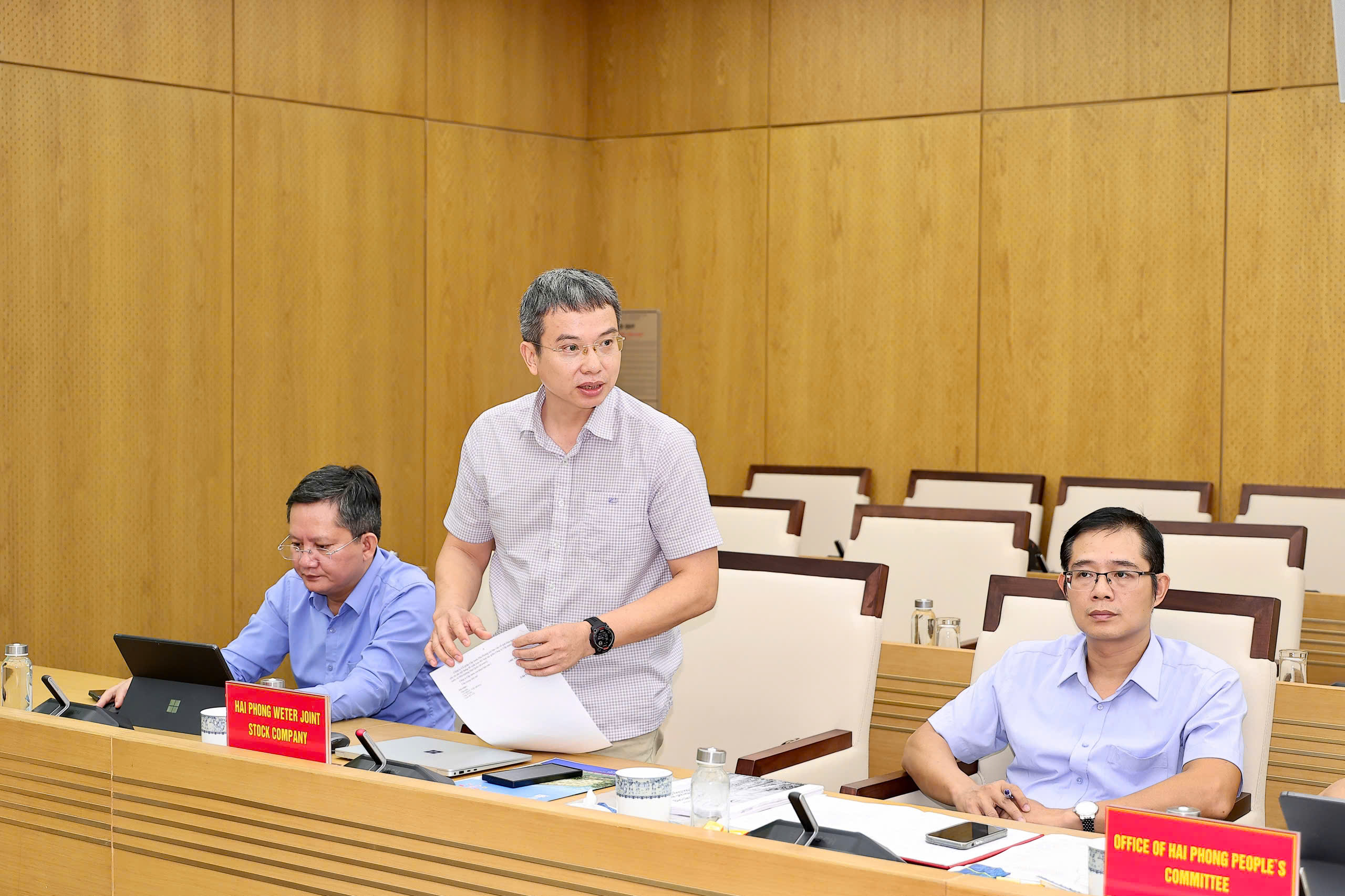
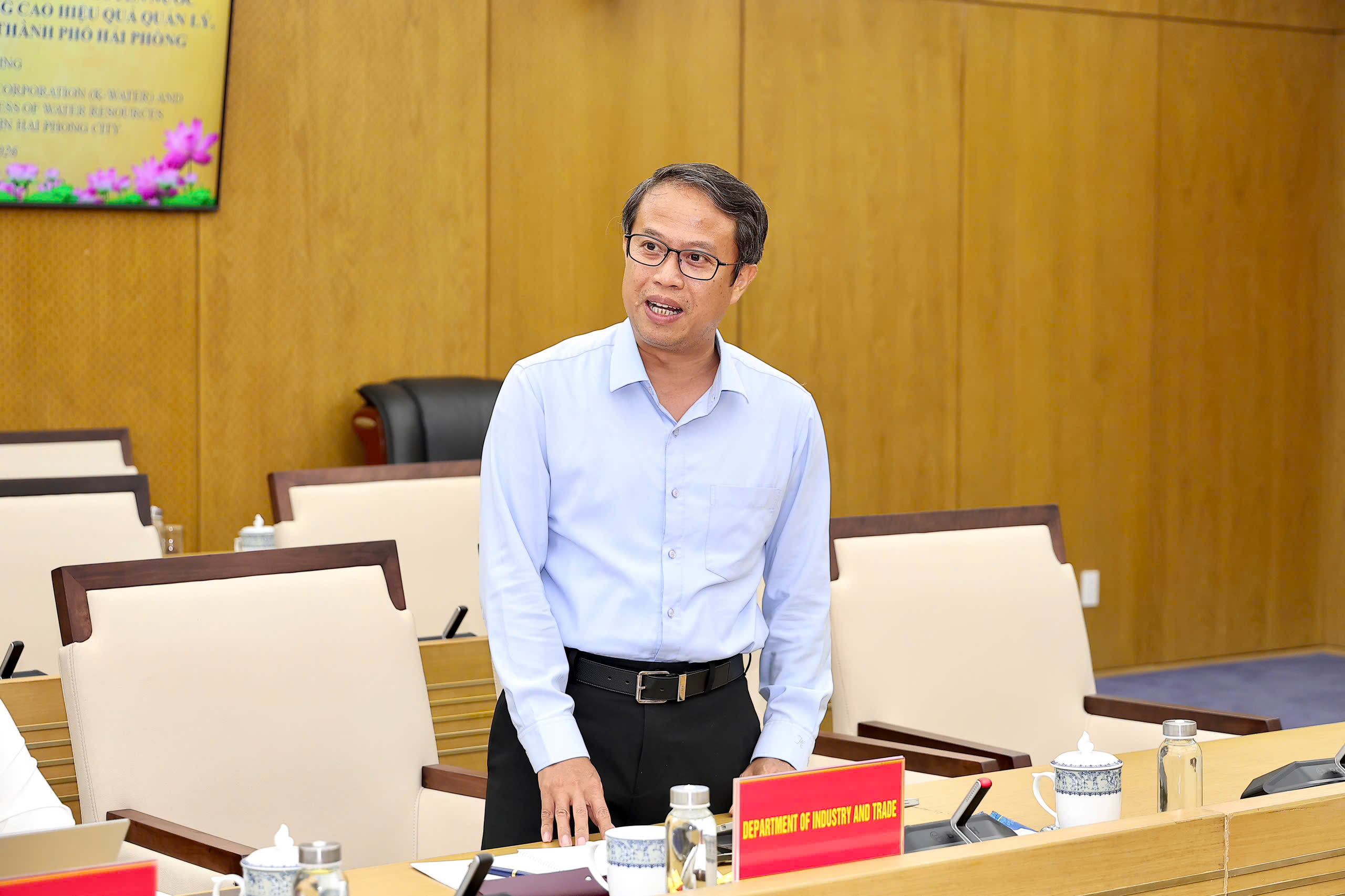
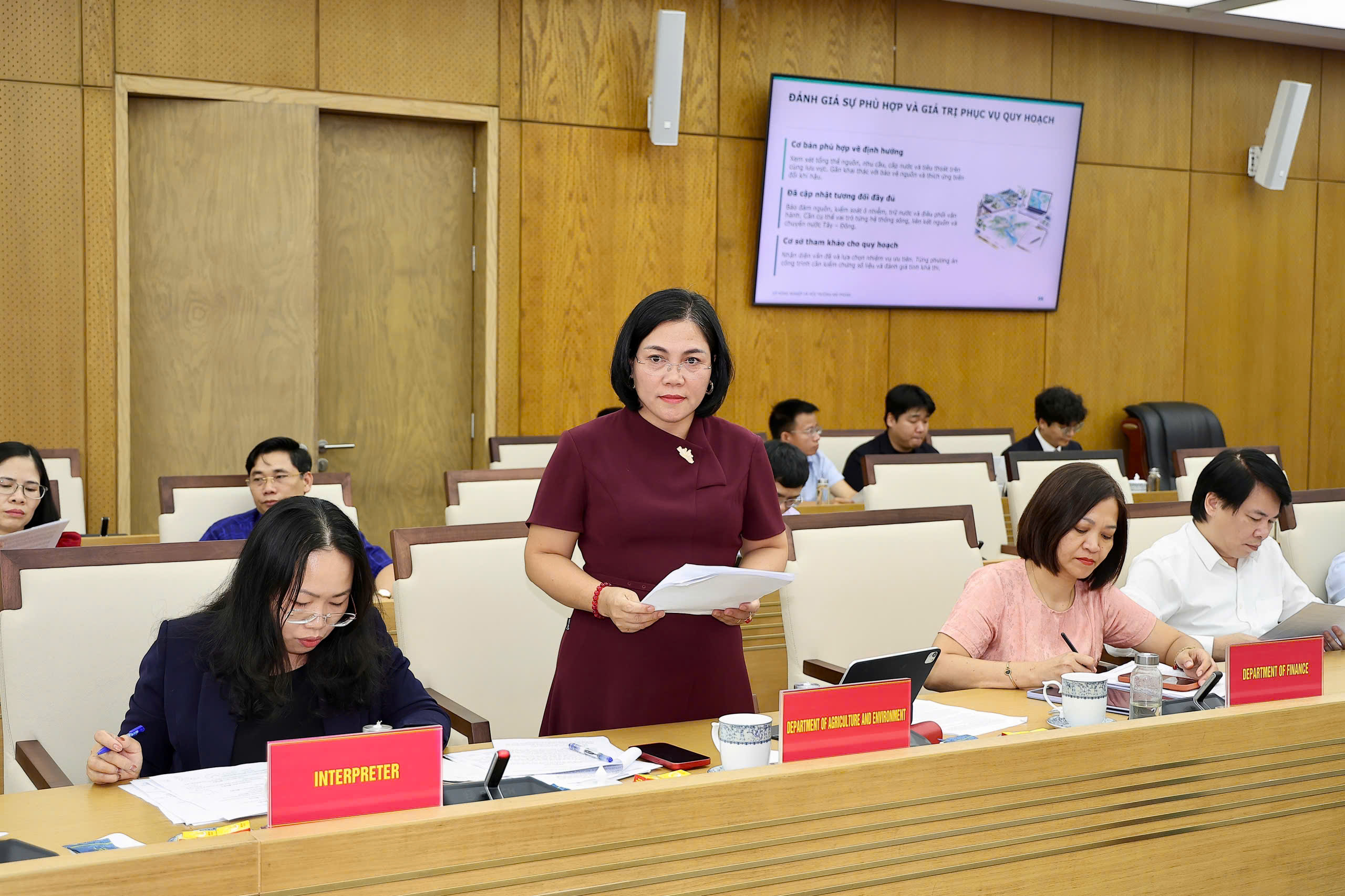
Discussing at the conference, leaders of municipal departments and agencies contributed frank feedback regarding the feasibility of the proposed structural works, their alignment with specialized master plans on transportation, urban development, and construction, as well as their impact on clean water tariffs for citizens and businesses.
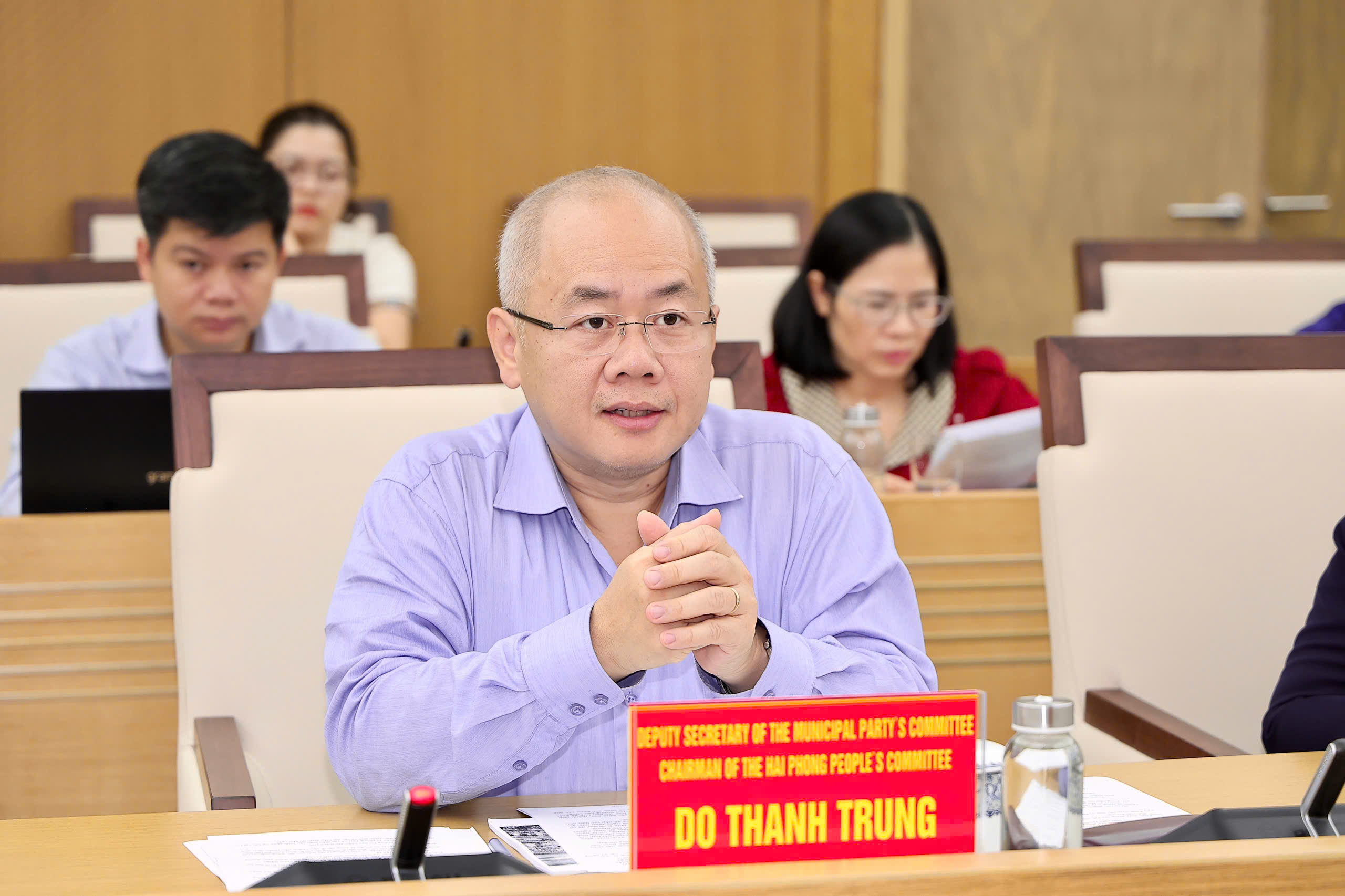
In his concluding remarks at the conference, Chairman of the City People's Committee Do Thanh Trung recognized and highly commended the proactive approach and responsible spirit of cooperation demonstrated by K-water and the City Working Group in developing a methodical, scientific research report. Emphasizing that water resources constitute an exceptionally core factor determining the sustainability of a large-scale seaport and industrial urban center, the Chairman of the City People's Committee requested K-water to incorporate as much feedback from the conference as possible and collaborate with municipal departments and agencies to finalize the Final Report in December 2026.
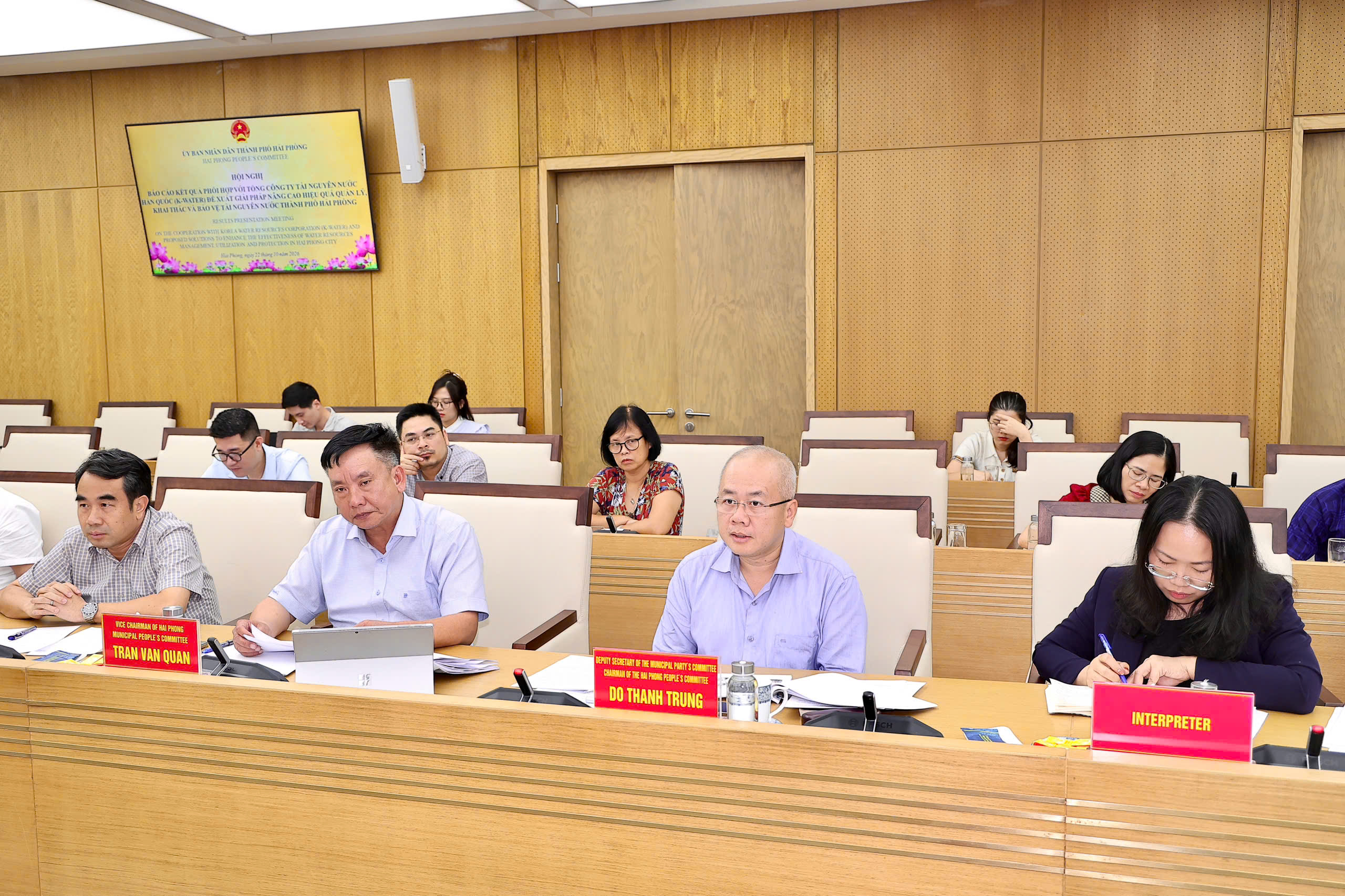
Accordingly, the consulting entity needs to conduct in-depth analyses on supply capacity and water extraction demand under specific scenarios, ranging from normal conditions to prolonged dry seasons, severe saltwater intrusion, and unforeseen pollution incidents; and clarify assumptions and computational methodologies to substantiate the feasibility of water transfer and source linkage solutions. Regarding the five river systems of Re, Gia, Da Do, Chanh Duong, Hon Ngoc, and the western rivers, they must be situated within an integrated framework balancing water quality protection, freshwater storage requirements, and flood drainage capacity, while flexibly adapting to the complex developments of climate change. Concurrently, proposals for the construction of works and land-using projects such as storage reservoirs, salinity prevention barrages, wastewater treatment plants, and dikes must clearly identify projected locations, preliminary scale, land acquisition requirements, and synchronized connection schemes with existing technical infrastructure.
The Chairman of the City People's Committee affirmed that the ultimate goal of the city is to establish a comprehensive water resources management solution that is grounded on solid scientific and practical foundations as well as high feasibility, thereby contributing to planning formulation and safeguarding long-term water security for Hai Phong./.
Phuong Mai
Photo: Viet Cuong