
 Procedures

Online mailbox
Receiving feedback and proposals from organizations and individuals.

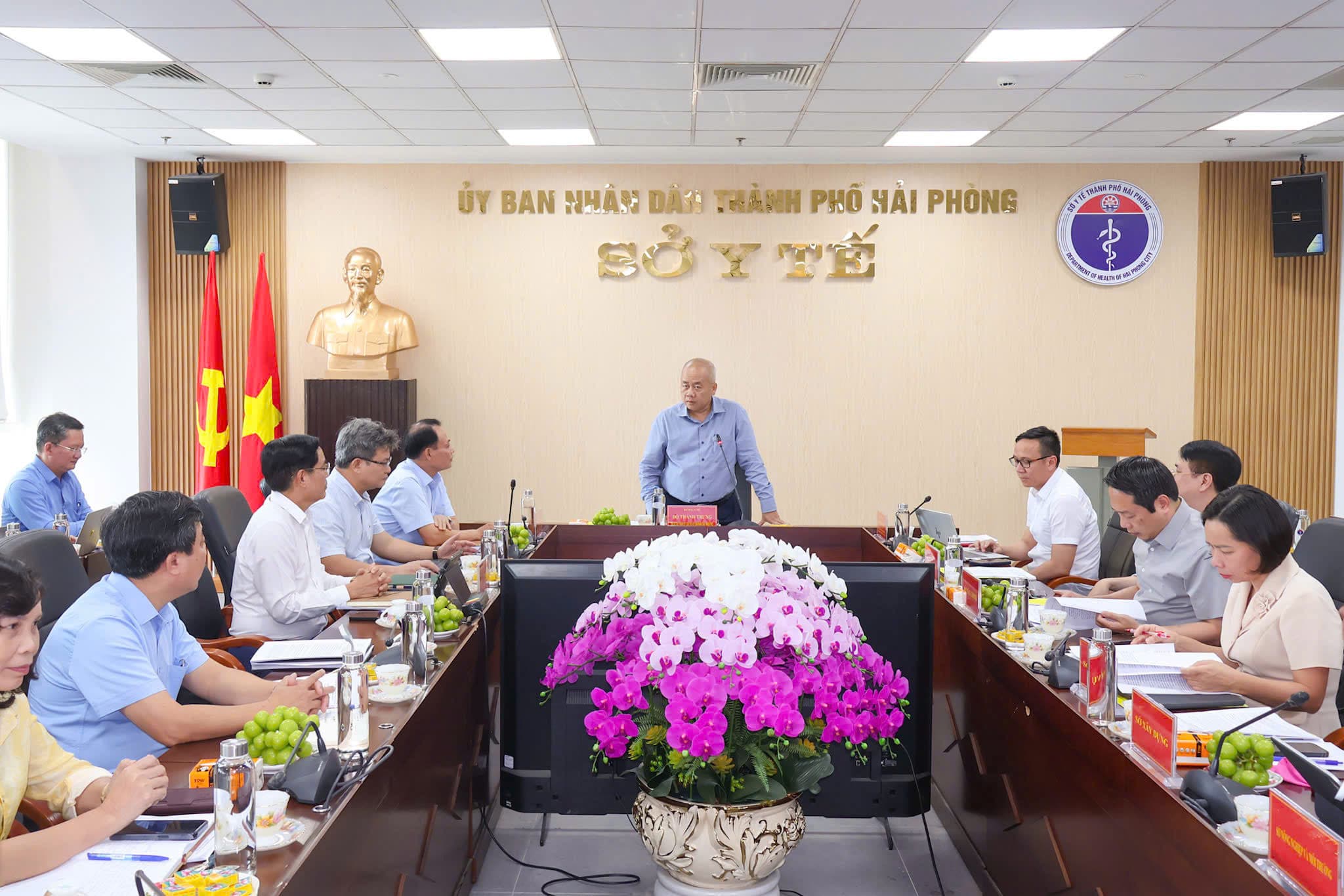
After the merger, the healthcare sector manages a large-scale system with a wide geographical area and diverse types of service provision. The public sector under the Department of Health comprises 61 facilities, including 19 city-level hospitals, 07 specialized centers, 01 regional general hospital, 27 regional medical centers, 02 sub-departments, and 05 social protection facilities. The grassroots healthcare level has 113 health stations and 280 outpost stations directly under the commune-level People's Committees. The non-public sector includes 14 hospitals, 92 polyclinics, and 1,550 specialized clinics; there are also 07 hospitals and medical facilities belonging to ministries and sectors in the area. The pharmaceutical system consists of 05 manufacturing facilities, 74 wholesale facilities, and 3,025 retail pharmacies. This scale not only creates an advantage for the development of specialized healthcare but also poses significant state management requirements across the entire city.
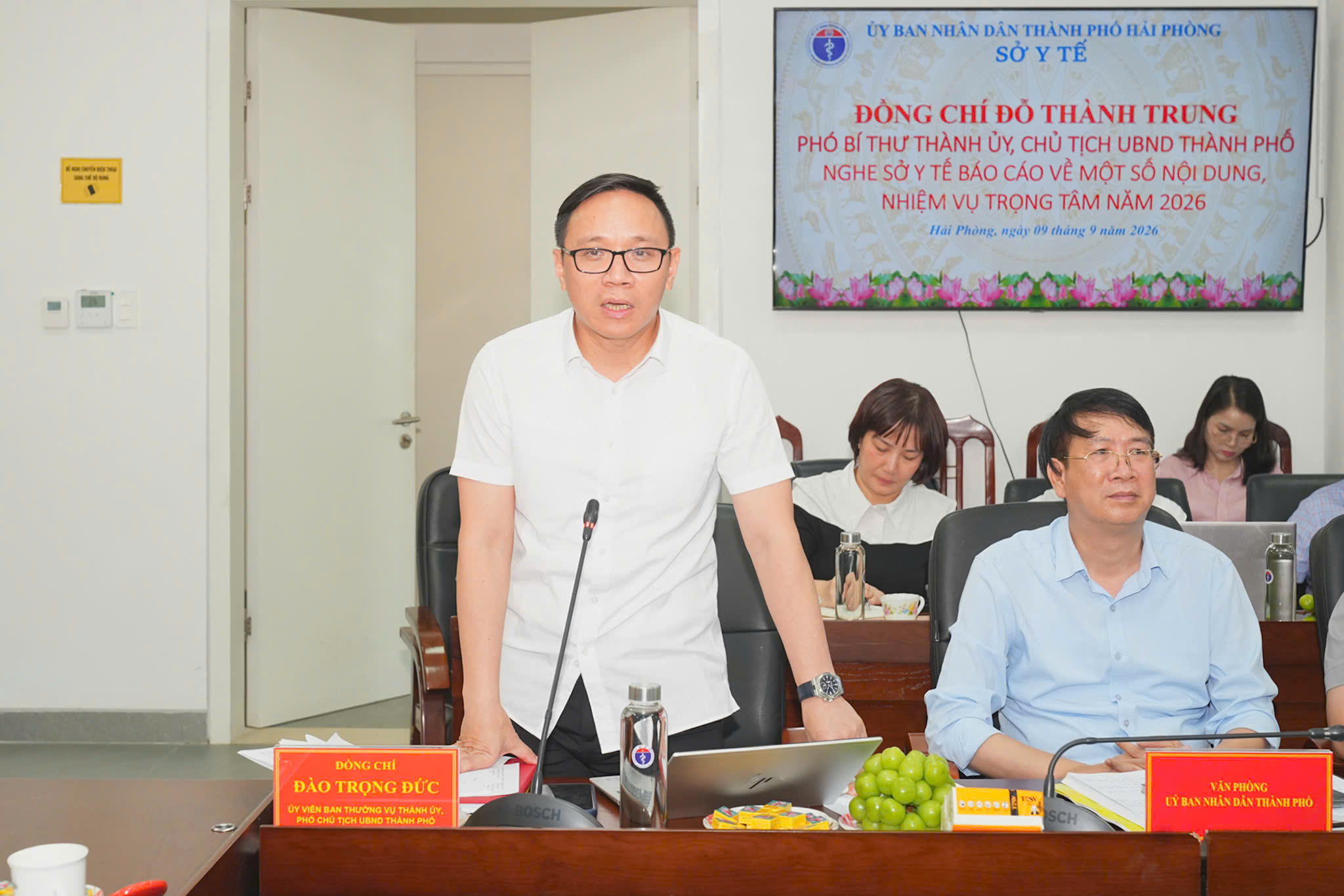
The entire city has 25,271 healthcare personnel, including 5,661 doctors and 1,089 university-level pharmacists or higher; the public sector has 17,781 people. The doctor-to-population ratio is 14.46 doctors/10,000 people, higher than the national average of 13.5 doctors/10,000 people, but still short of the target of 19 doctors/10,000 people by 2030. The total number of beds in the public, private, and ministerial/sectoral healthcare sectors is 16,915 beds; the ratio is 41 beds/10,000 people, 10 beds/10,000 people higher, equivalent to about 32% compared to the national average. Among the 59 public service units under the Department, 04 units are Group 1 autonomous; 10 units are Group 2; 37 units are Group 3; and 08 units are Group 4.
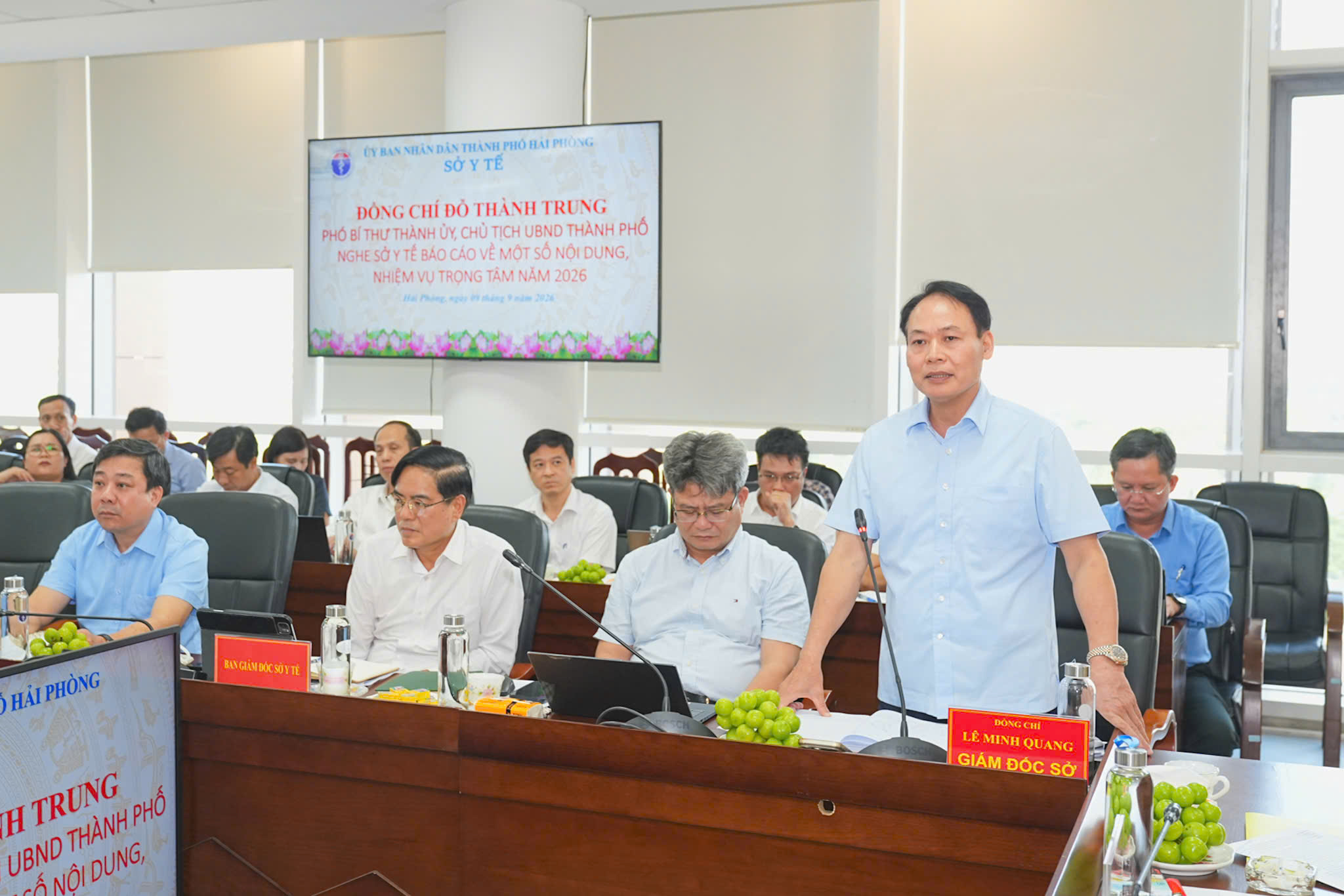
At the commune level, there are 3,105 people, including 393 doctors, with 100% of health stations having doctors. However, the distribution is uneven: only 50 stations have 04 or more doctors, while 62 stations have 01 to 03 doctors. The administrative agency is allocated 127 civil servants but currently has 111 people, a shortage of 16 people, while the workload has significantly increased after the merger and after taking on additional areas of social protection and prevention and control of social evils.
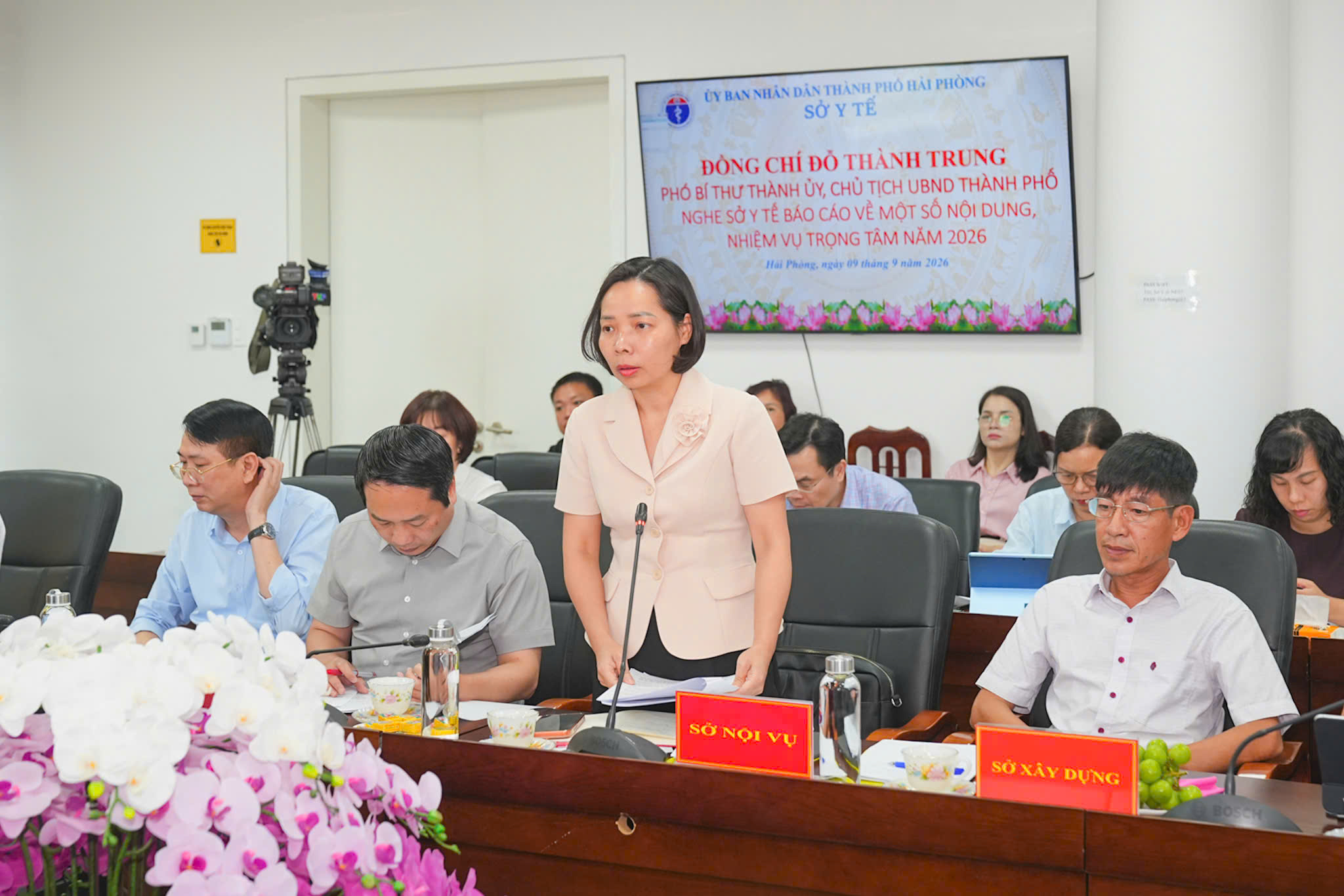
From July 1, 2025, to the end of August 2026, the organizational structure after the merger will be basically stable, and professional activities will be continuously maintained. The capacity for medical examination and treatment, specialized techniques, and health insurance work will continue to be enhanced. Hospitals will continue to master many high-tech techniques such as organ transplantation, cerebral vascular intervention, 3D endoscopic surgery, open-heart surgery, pediatric cardiovascular intervention, corneal transplantation, assisted reproduction by in vitro fertilization, cancer radiation therapy, and stem cell treatment.
The fields of preventive medicine, disease control, and non-communicable disease management are proactively implemented. Food safety, drugs, medical supplies, and social protection are ensured. The universal health check-up program has initially achieved a large scale. As of August 28, 2,343,418 people have undergone health check-ups, reaching 55.63% of the resident population. At the same time, 2,183,278 people have integrated their electronic health records on VNeID, reaching 49.36%, ranking 5th nationwide. The management of medical practice, inspection, and post-inspection has been tightened. Administrative reform, financial autonomy, private healthcare, and international cooperation continue to improve.
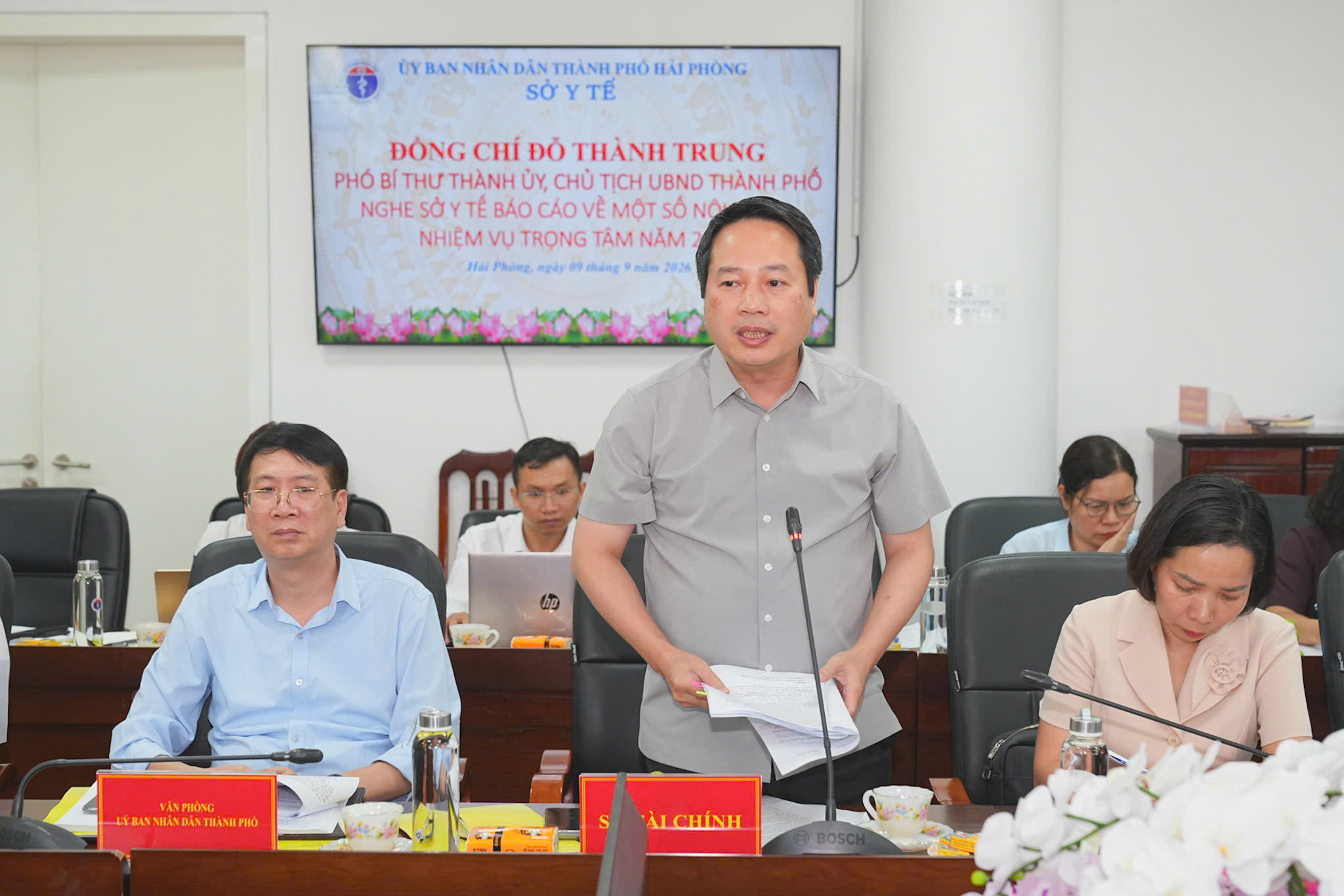
Implementing Resolution 72-NQ/TW, the Department of Health advised on Project No. 118 on improving the capacity of the city's healthcare system. The project has a total estimated resource of VND 44,314.6 billion, including 25 target groups and 50 indicators by 2030, covering grassroots healthcare, specialized healthcare, human resources, facilities, equipment, digital transformation, private healthcare, and international cooperation. For the Project "City for comprehensive universal healthcare," the goal is to shift strongly from treatment to prevention and lifelong health management with a total resource requirement of VND 22,865.1 billion.
The Department of Health also stated that the facilities and equipment of medical establishments are still lacking, degraded, and not synchronized. The network of health stations after rearrangement is still scattered and lacks a standardized framework. The sector's human resources are still insufficient and unevenly distributed. Digital infrastructure and financial mechanisms have not kept pace with requirements. The capacity of grassroots healthcare and some specialized fields is uneven.
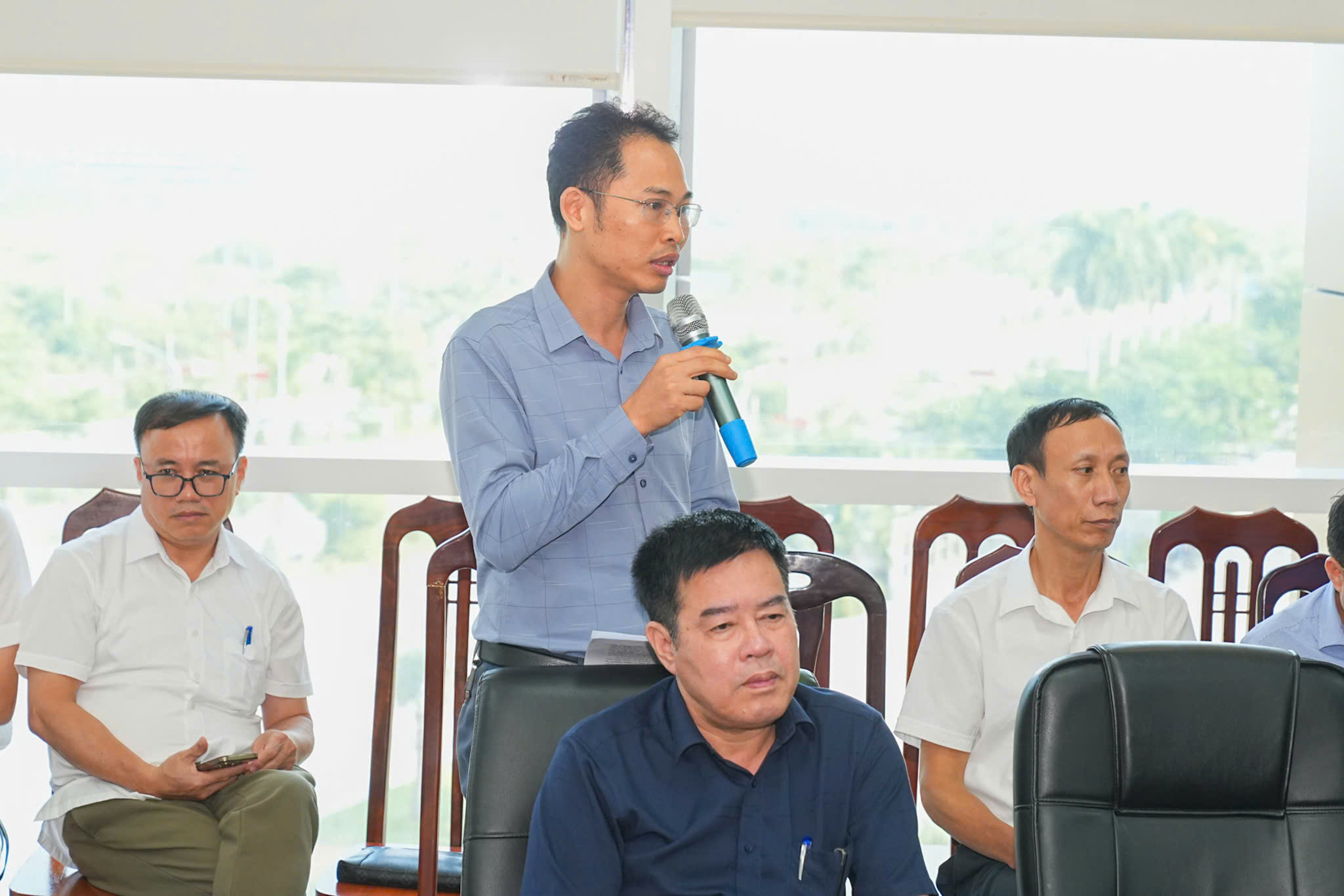
In the coming period, the Department of Health will focus on completing the peak period of universal health check-ups before October 31, 2026. It will continue to stabilize and rearrange the organizational structure. It will proactively prevent and control epidemics and manage community health. It will genuinely implement Project No. 118 and complete the comprehensive universal healthcare project. It will create breakthroughs in human resources and expertise, effectively implement the VND 753.1 billion policy on training, attracting, and retaining personnel; build a roadmap to attract 1,222 doctors, prioritizing health stations, special zones, hard-to-recruit specialties, and high-tech fields. It will develop smart healthcare and out-of-hospital emergency services.
At the same time, it will ensure drugs and medical supplies and tighten practice management. It will urgently complete procedures for implementing 11 healthcare projects in the early period of 2026-2027; address existing issues and rectify fire prevention and fighting at 06 medical centers and 22 wastewater treatment tasks. It will create a favorable environment to attract investment in private healthcare, nursing homes, high-tech, and international cooperation. It will focus on completing the 90-day campaign to clean, enrich, and standardize 12 specialized databases and the 100-day campaign to create and update electronic health records on VNeID.
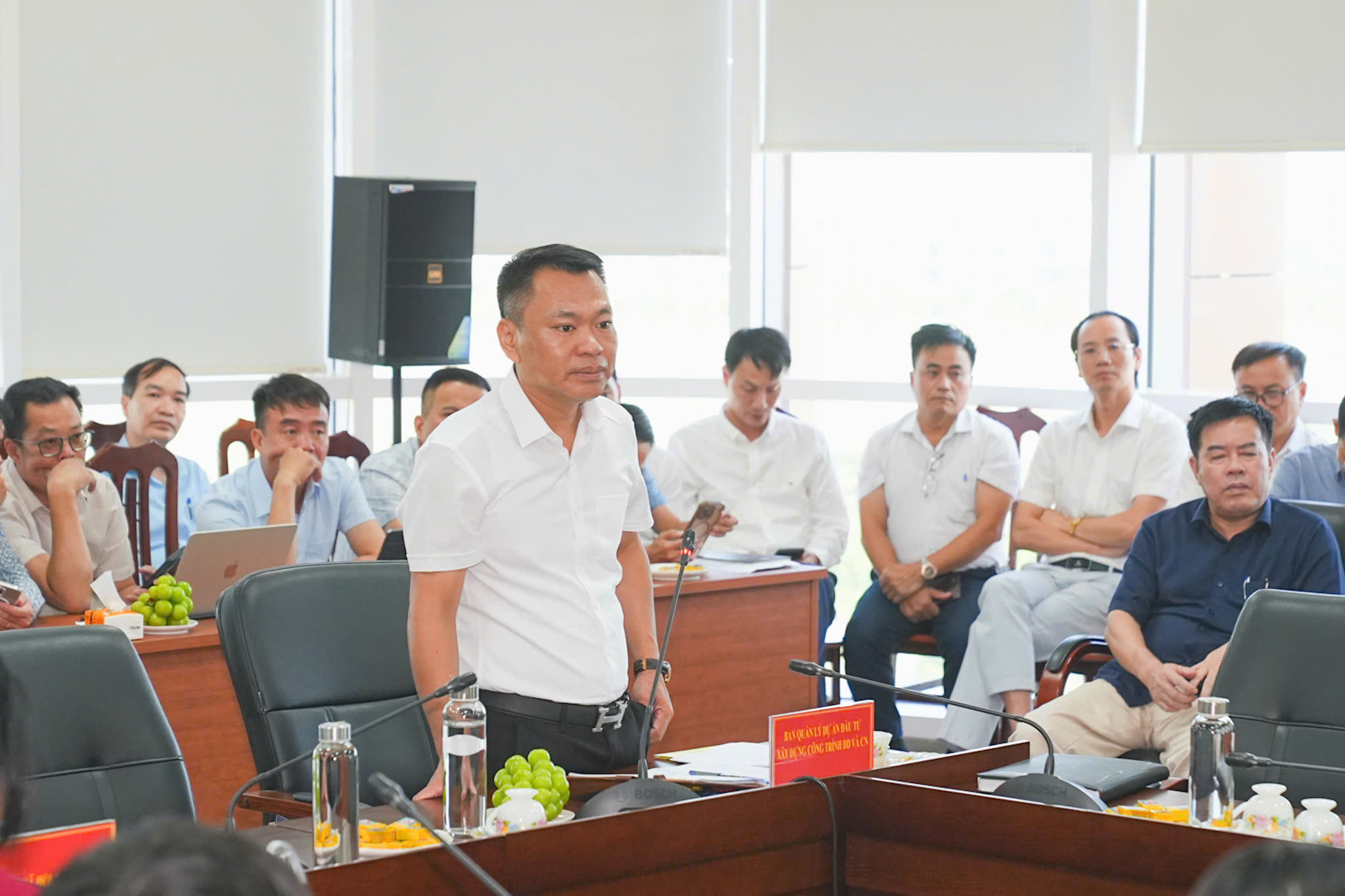
At the meeting, representatives of leaders of departments, sectors, and units gave opinions, discussed, and clarified some proposals and recommendations for the Department of Health to complete its assigned tasks in 2026.
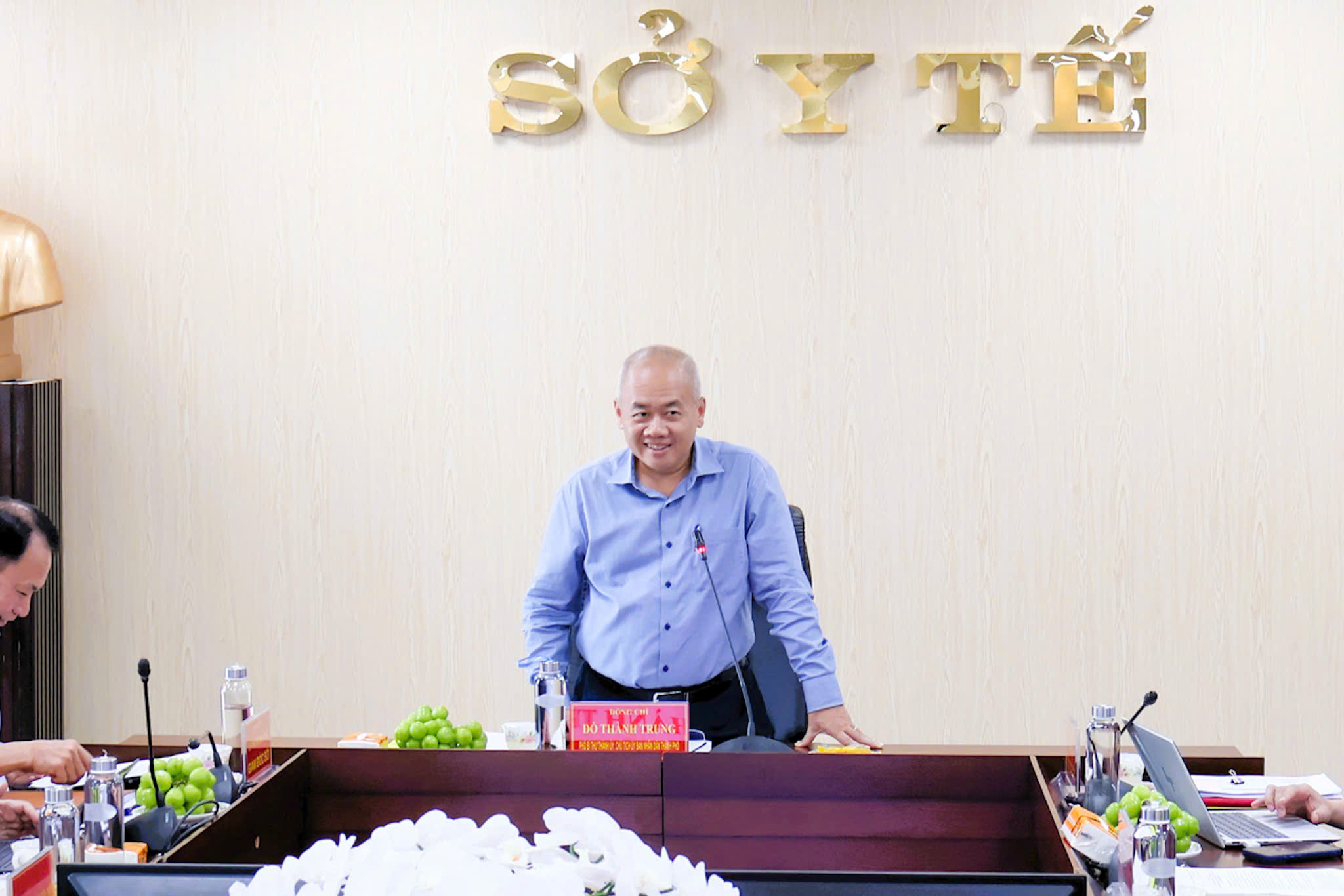
In conclusion, Chairman of the City People's Committee Do Thanh Trung highly appreciated the sense of responsibility and proactiveness of the Department of Health in implementing the task of caring for, protecting, and improving the health of the people. The Chairman of the City People's Committee requested the healthcare sector to clearly define its specialized orientation, to focus on investing in facilities, equipment, and human resource training to create strengths for medical facilities, thereby improving the quality of healthcare for the city's residents, and enhancing the reputation and brand of the sector among provinces and cities in the region.
In addition, focus on implementing the "90-day acceleration - Universal Health Check-up Finish Line" peak period, ensuring progress, quality, and effectiveness to strive to complete assigned targets before October 25, 2026. Urgently review and forecast the demand for drugs, vaccines, and medical supplies; organize procurement and bidding in accordance with legal regulations, ensuring transparency, fairness, competition, and efficiency. At the same time, review all public healthcare units regarding their level of financial autonomy; develop a classification plan, ordering mechanism, task assignment, and budget support appropriate for each group of units, ensuring the full implementation of preventive medicine and grassroots healthcare tasks.
The Chairman of the City People's Committee requested the Department of Home Affairs to guide the Department of Health in reviewing human resource needs, job positions, and staffing of the entire healthcare sector; advise on a plan to ensure human resources for medical facilities, especially grassroots healthcare, difficult areas, islands, and specialties with a shortage of personnel. At the same time, urgently advise on solutions to address the shortage of administrative staff in the Department. The Department of Finance will review capital needs and advise and guide the plan for allocating investment capital, purchasing equipment, and repairing medical facilities according to budget balancing capabilities, ensuring the correct order of priority, avoiding scattered and average capital allocation; report to the City People's Committee at the nearest budget adjustment period. The Department of Agriculture and Environment will continue to review all land, buildings, headquarters, and redundant health station outposts after rearrangement; coordinate with the People's Committees of communes, wards, and special zones to propose plans for management, use, transfer, recovery, or disposal in accordance with regulations, to prevent waste and loss of public assets; coordinate with the Department of Health to resolve cases of medical facilities still facing difficulties regarding land and land use planning, clearly identifying each case, plan, and deadline for resolution.
For the Civil and Industrial Construction Investment Project Management Board, the Chairman of the City People's Committee requested to urgently complete investment preparation procedures, submit for appraisal, and approve the investment policy for 11 early-stage healthcare projects in the 2026-2027 period. In particular, urgently complete acceptance testing and early handover for use of the examination building block of Tien Lang Medical Center and Kien Thuy Medical Center.
The People's Committees of communes, wards, and special zones will coordinate with the Department of Health to organize and arrange the network of Health Stations; ensure facilities, locations, land, and necessary conditions for Health Stations to operate stably. Review redundant medical facilities and outposts; strictly manage land, buildings, and public assets while awaiting disposal; do not arbitrarily arrange, use, lease, lend, or convert functions illegally. At the same time, strengthen the management of private medical and pharmaceutical practice activities in the area; promptly detect, report, and coordinate in handling unlicensed or non-compliant operating facilities./.