
 Procedures

Online mailbox
Receiving feedback and proposals from organizations and individuals.

Some new points in Nigeria's tax policy in 2015 From January 1, 2015, Nigeria will apply the common foreign tariff schedule CET along with other countries [...]

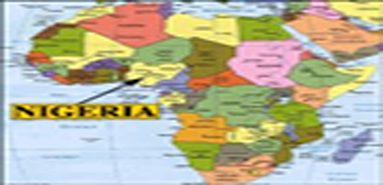 From January 1, 2015, Nigeria will apply the common external tariff CET along with other countries in the Economic Union. West African Economy and Currency ECOWAS. Accordingly, Nigeria will apply 5 tax lines from 0-35% including:
– 0% import tax on capital goods, machinery and essential pharmaceuticals not produced domestically
– 5% import tax on raw materials
– 10% import tax on intermediate goods
– 20% import tax on finished goods
– 35% import tax on goods protected by the Nigerian Government
In addition, some goods will be exempt from tax, such as raw materials for poultry feed production, if they meet the certification standards of the Ministry of Agriculture.
Nigeria continues to restrict imports of food and agricultural products, while banning imports of poultry, pork, beef and several other important consumer products. The Nigerian government has increased import taxes on wheat grain from 5% to 20%, wheat flour from 35% to 100%, brown rice from 5% to 35% and milled rice from 30% to 100%. The import tax on raw sugar is 60% and refined sugar is 80%. By 2018, Nigeria will completely ban imports of catfish and tilapia.
In 2014, Vietnam's export turnover to Nigeria reached 190 million USD, an increase of 28% compared to 2013. Vietnam's main export items to this market include: computers, electronic products & components (89.8 million USD); mobile phones & components (37.3 million USD); textile products (15.8 million USD); automobile components under 12 seats (9.7 million USD); ... Vietnam's import turnover from Nigeria in 2014 reached 99 million USD, an increase of 41.7% compared to 2013 with the main imported items being: cashew nuts (70 million USD); wood & wood products (17.6 million USD); liquefied petroleum gas (7.4 million USD); vegetables (2 million USD).