
 Procedures

Online mailbox
Receiving feedback and proposals from organizations and individuals.

Implement Plan No. 125/KH-UBND dated April 19, 2023 of the City People's Committee on training and fostering state management officials in collective economy of Hai Phong city in 2023. On December 14, 2023, the Department of Finance organized a training class for state management officials in collective economy in Hai Phong city in 2023 for leaders and officials. Ministries, civil servants, and public employees perform state management tasks on the collective economy in departments, branches, branches, and units; People's Committee of district, ward, commune.
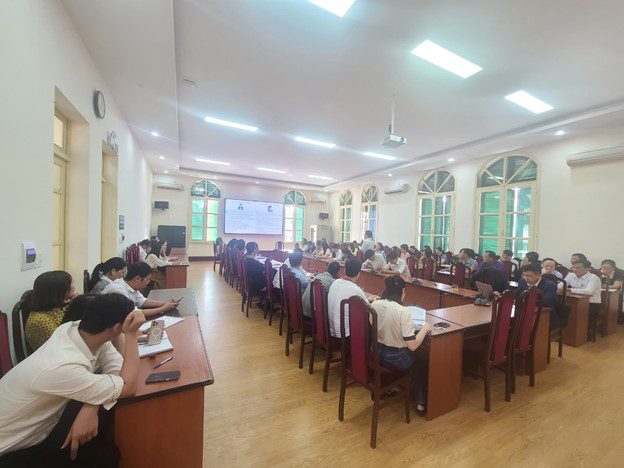
The training class aims to foster and improve professional knowledge for state management officials working in departments, branches, branches and localities; Raise awareness of the role and importance of the collective economy, whose core is the Cooperatives, for the city's socio-economic development in the new period; Timely update dissemination and guidance on implementation of the 2023 Law on Cooperatives.
The 2012 Law on Cooperatives was passed by the National Assembly on November 20, 2012. Although it has been amended three times, there are still some difficulties in implementation. Especially in dissolving cooperatives that stop operating. The city currently has 589 cooperatives, of which 194 cooperatives have stopped operating and are waiting for dissolution due to difficulties and problems that have not been resolved. To overcome the shortcomings and limitations in the 2012 Law on Cooperatives dated June 20, 2023, at the 5th Session, the 15th National Assembly passed Law on Cooperatives No. 17/2023/QH15, effective from July 1, 2024, replacing Law on Cooperatives No. 23/2012/QH13.
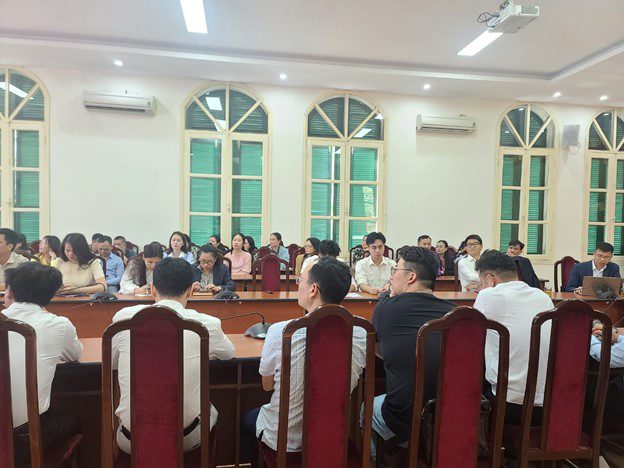
The class spent half of the time discussing the contents of the Law to help departments, branches, branches, and People's Committees of districts, wards, and communes ask and answer remaining problems to implement and apply in practice most effectively./.