
 Procedures

Online mailbox
Receiving feedback and proposals from organizations and individuals.

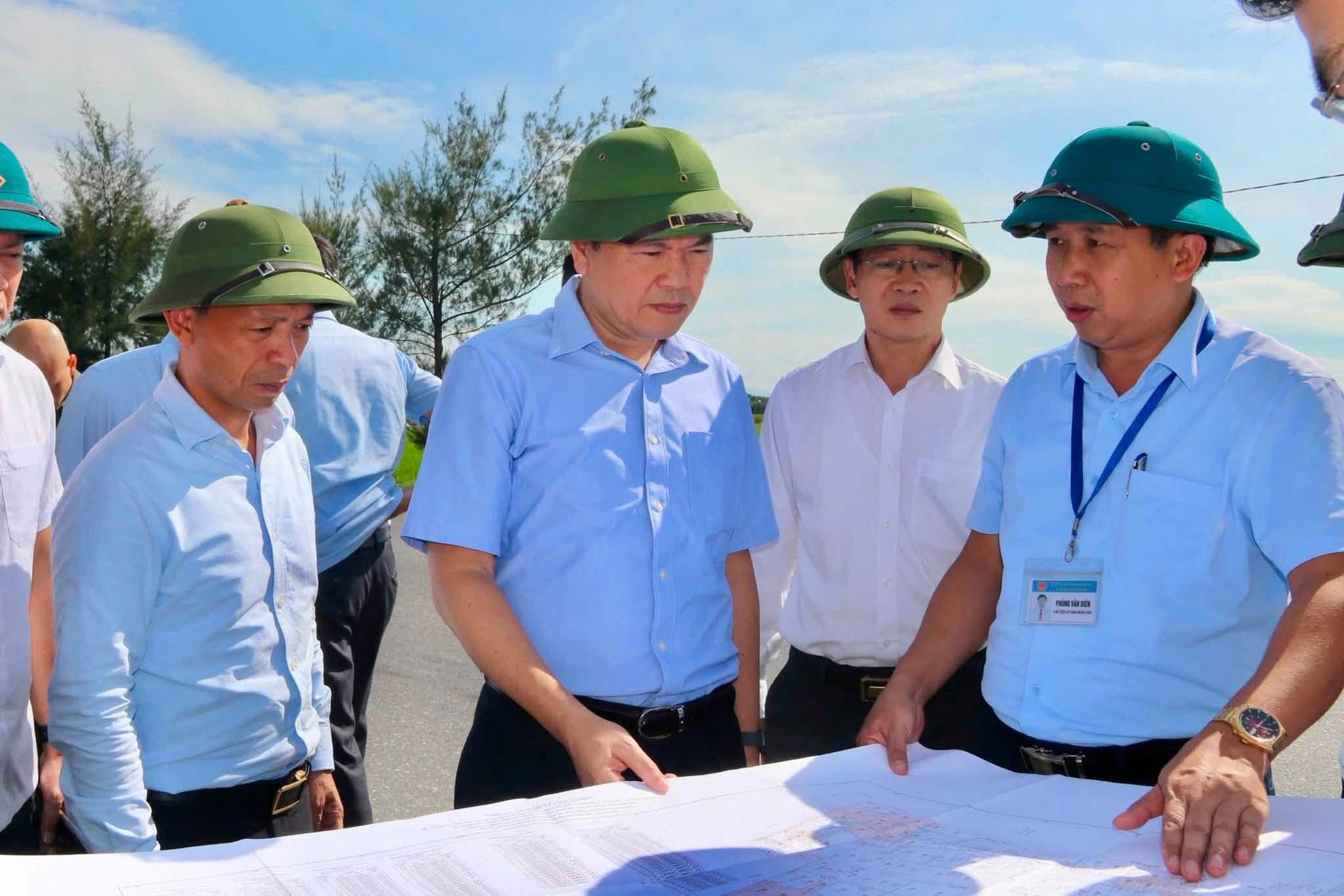
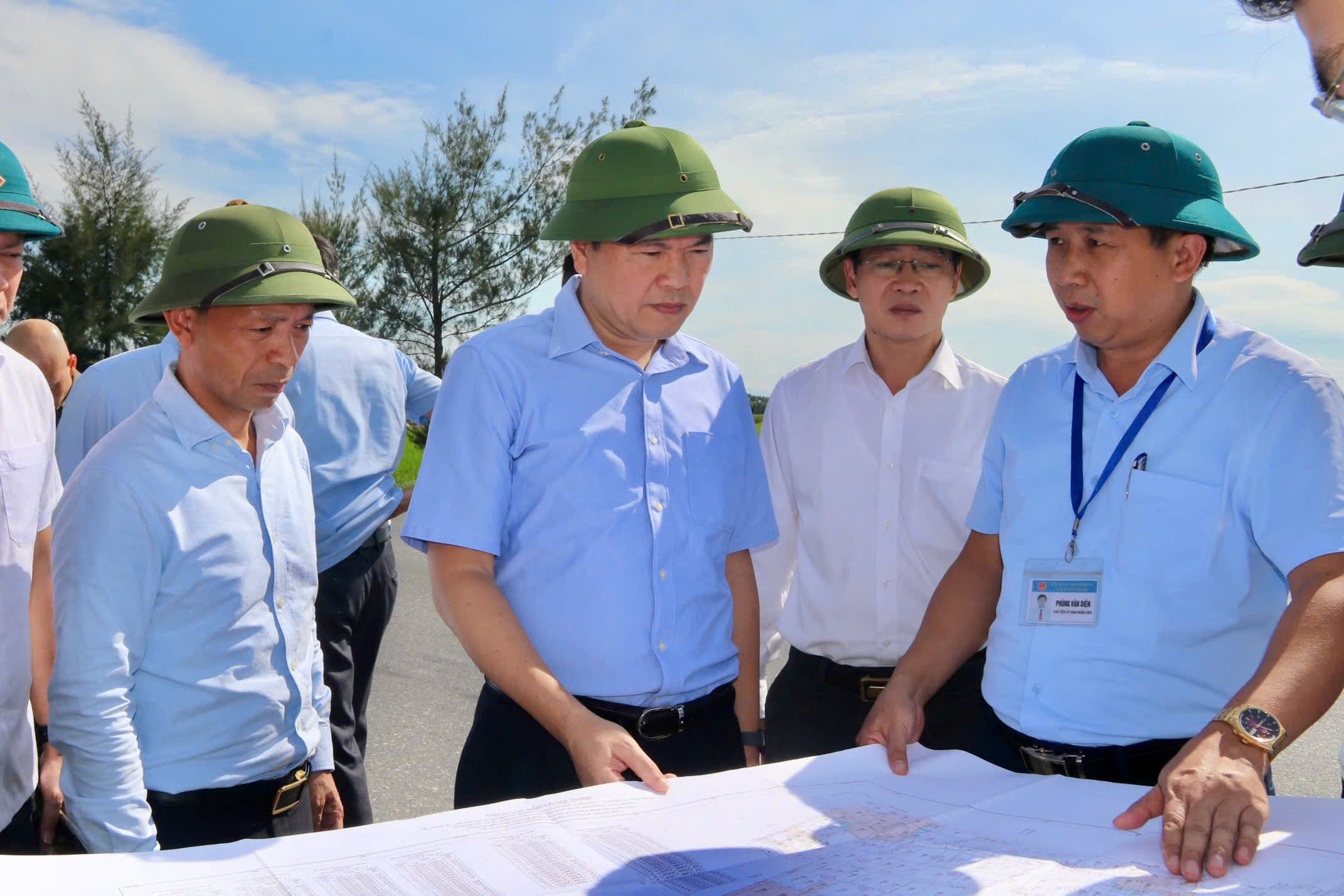
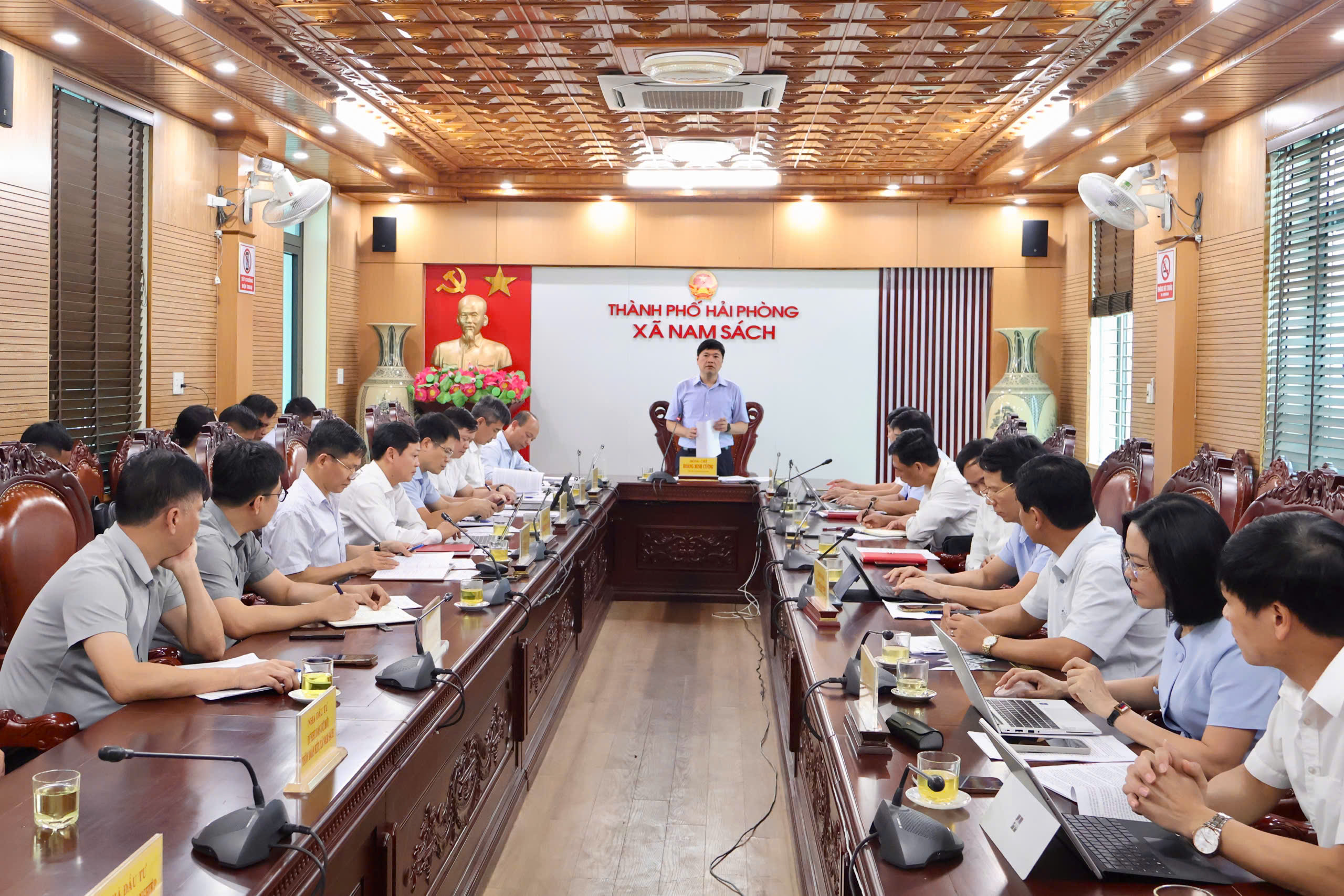
(Haiphong.gov.vn) - On the morning of September 4, Mr. Hoang Minh Cuong, Vice Chairman of the City People's Committee, inspected several industrial cluster investment projects and new residential areas in Nam Sach, Hop Tien, and Tran Phu communes. He also chaired a meeting with leaders of six communes, including Nam Sach, Thai Tan, Tran Phu, Hop Tien, An Phu, and Nam An Phu, to review the implementation of Resolution No. 11-NQ/TU of the Hai Phong City Party Committee.
The inspection and working session focused on evaluating the leadership and direction in achieving the GRDP economic growth targets for the last six months of 2026 and the 2026-2030 period. Key areas included budget collection and expenditure progress, public investment capital disbursement, site clearance, and reviewing and resolving difficulties and obstacles to accelerate the implementation of key projects in the area.
Reporting at the meeting, local leaders stated that they had closely followed the city's growth scenario and achieved many positive results in the first eight months of the year. In Tran Phu commune, the total state budget revenue in the area as of August 30 reached over 273.9 billion VND, equivalent to 111.97% of the annual estimate; public investment capital disbursement reached 69.9% and is expected to reach 83.3% by the end of Q3, exceeding the target assigned by the city.
In Nam An Phu commune, the total budget revenue in the area reached 340% of the city's assigned estimate; land management was tightened with the rate of residential land use right certificates reaching 85.49% and agricultural land ownership registration reaching 90%.
Thai Tan commune continued to maintain economic stability, while focusing heavily on disaster prevention and control, ensuring absolute safety for nearly 13 km of Grade 1 dike along the Thai Binh River.
Recognizing site clearance as a crucial step to promote investment capital disbursement, communes are mobilizing resources to implement many key infrastructure projects. Notably, the Hanoi – Quang Ninh high-speed railway project section through Tran Phu commune, with a length of 6.55 km and a land acquisition area of over 47.7 hectares, affects 716 households and approximately 1,500 graves. The locality launched a 45-day and night campaign, and to date, has paid over 76.1 billion VND in compensation (reaching 26.8% of the assigned capital plan, far exceeding the initial commitment of 10%), while striving to disburse approximately 60% in September.
Concurrently, Nam An Phu commune has completed the site clearance for the Trieu Bridge access road and the corresponding resettlement area, and is currently focusing on definitively resolving the remaining issues at Quang Thanh Residential Area and Thang Long Industrial Cluster.
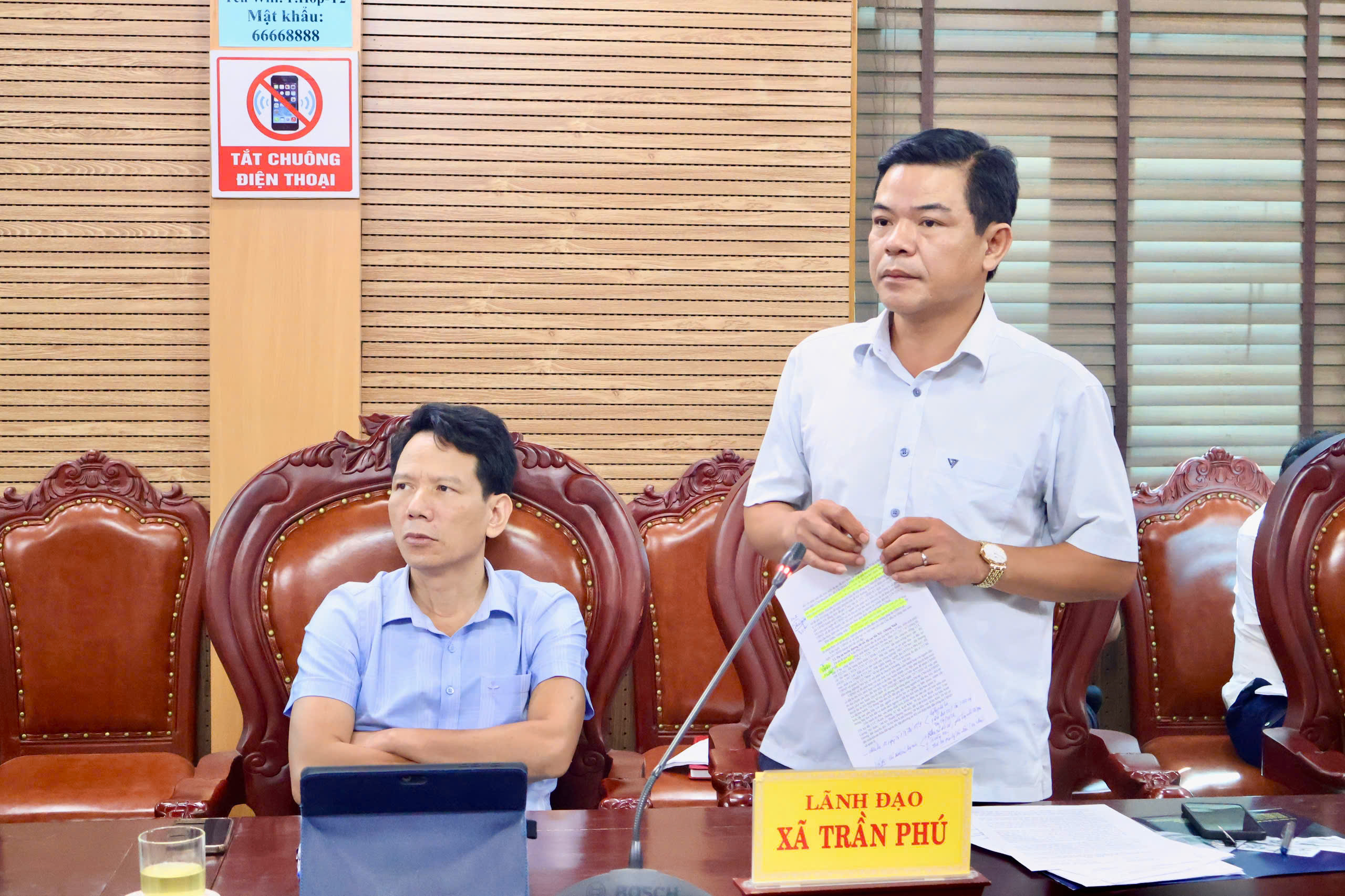
In addition to the achievements, leaders of the communes reported specific difficulties that have slowed down project progress. Specifically, some investors of residential area projects have been slow to transfer compensation and resettlement support funds, even though the locality approved the compensation plan months ago, causing significant pressure in mobilizing residents. Furthermore, verifying land origins through different periods, resolving cases of unauthorized land allocation in the past, relocating cemeteries according to customs and traditions, and the need to arrange synchronous resettlement land funds for residents whose residential land is acquired are also major obstacles requiring the intervention and resolution of city departments and agencies.
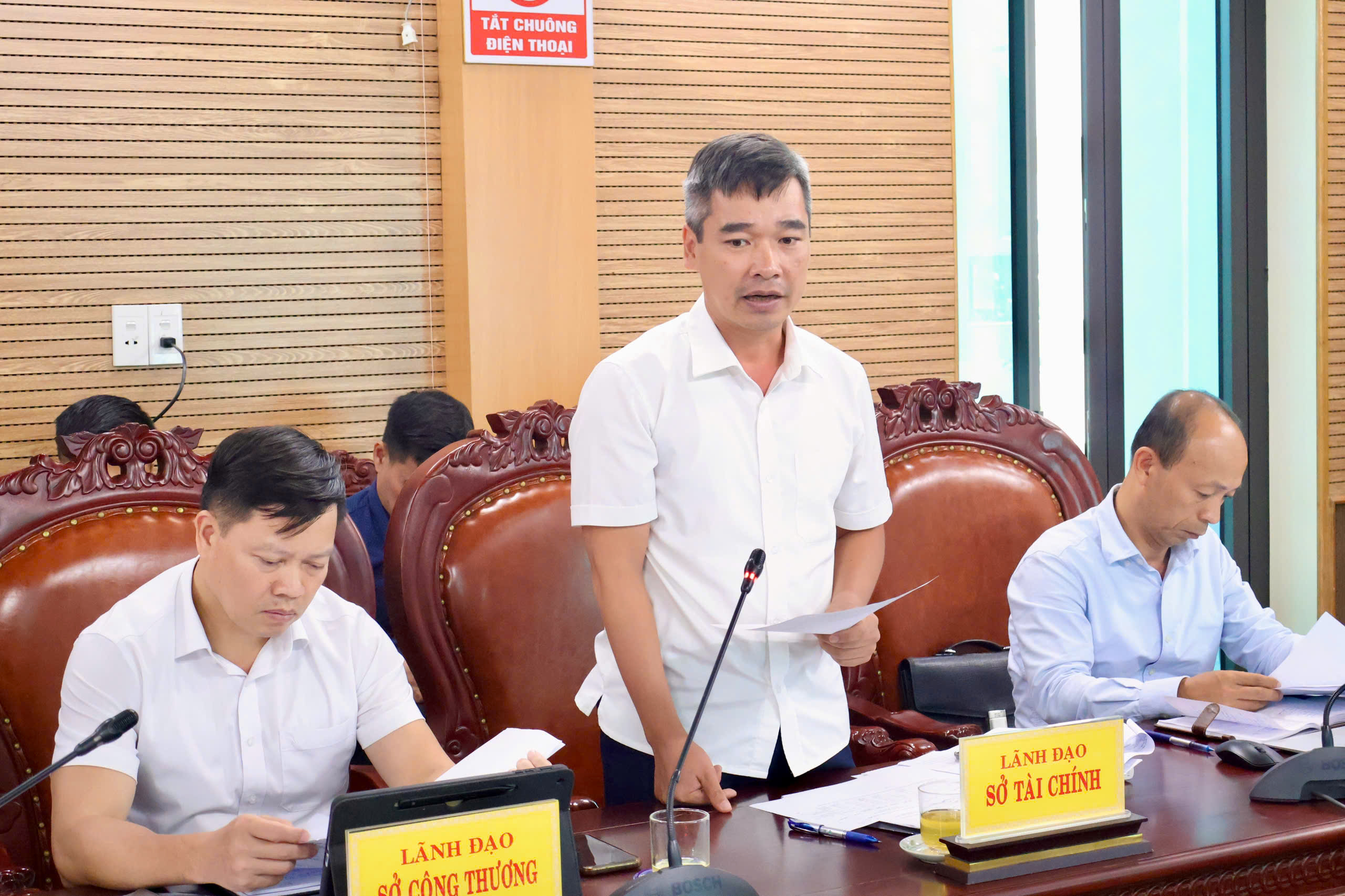
Speaking at the meeting, Mr. Hoang Minh Cuong, Vice Chairman of the City People's Committee, highly appreciated the efforts of the localities, as most economic indicators and budget revenues met or exceeded the scenario. However, he emphasized that the city's leaders currently manage and monitor work entirely on a real-time digital data system. Therefore, the Secretaries and Chairmen of the People's Committees of the communes must directly monitor and adhere to the data on the system, updating it regularly and truthfully, avoiding delays or inconsistencies with the city's data. Commune leaders need to proactively coordinate closely with specialized departments and agencies to promptly resolve emerging difficulties, not waiting until inspections to report, and at the same time, promote a spirit of daring to think, daring to act, and taking responsibility within their decentralized authority.
Regarding industrial development orientation and management of industrial clusters, the Vice Chairman of the City People's Committee affirmed Hai Phong's consistent stance of prioritizing the attraction of high-tech and clean industries, resolutely not trading the environment for growth. The city advocates reviewing and definitively addressing inefficient industrial clusters; those without infrastructure investors or no longer suitable for new development plans will be considered for removal. For operating industrial clusters, the city requires the Department of Natural Resources and Environment and the Department of Industry and Trade to strictly inspect environmental protection standards, especially centralized wastewater and exhaust gas collection and treatment systems; resolutely halting operations for facilities that do not meet prescribed standards. New or expanded industrial clusters are required to complete environmental protection technical infrastructure before being allowed to receive secondary projects.
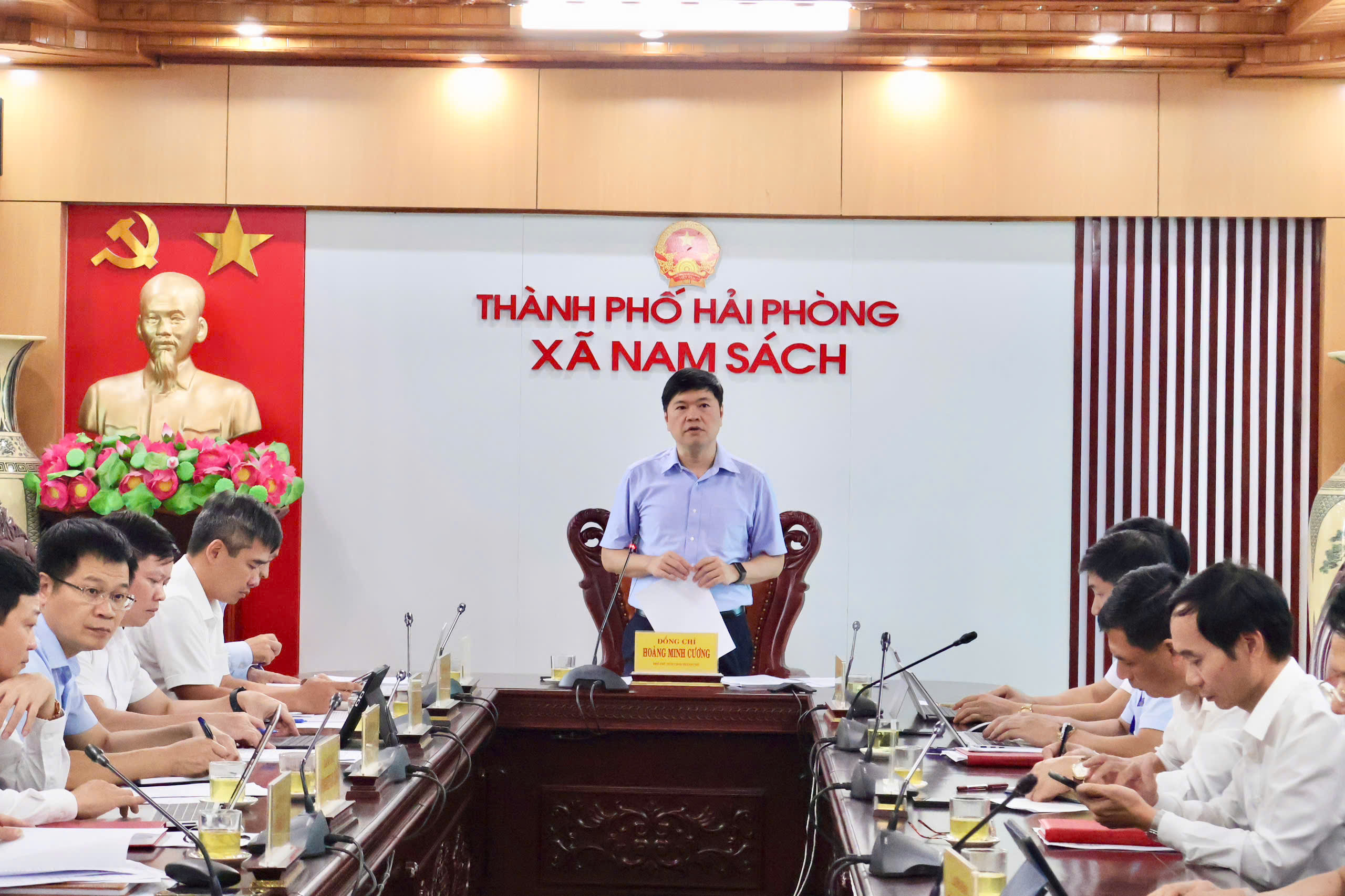
Regarding site clearance and public investment capital disbursement, the Vice Chairman of the City People's Committee requested localities to continue to adhere to the critical path of each project. In areas with clear procedures and policies, local authorities must resolutely propagate and mobilize; in cases of deliberate procrastination, dossiers must be consolidated for enforcement in accordance with legal regulations, to prevent overall progress from being stalled. For projects where investors are slow to allocate funds for compensation payments, communes must issue written reminders with specific commitment deadlines; if investors fail to comply, the locality needs to report and propose that the City People's Committee take definitive measures, including considering the revocation of the project to replace it with more effective projects.
Relevant departments and agencies are assigned the task of strengthening professional guidance, providing maximum support to communes regarding land procedures, resolving complaints, completing cemetery compensation, and accelerating the progress of resettlement areas, ensuring the socio-economic development goals and GRDP growth of the entire city in 2026./.
Nguyen Hanh